SE1 Evolved

Same streets. Different decades.

01Borough High Street

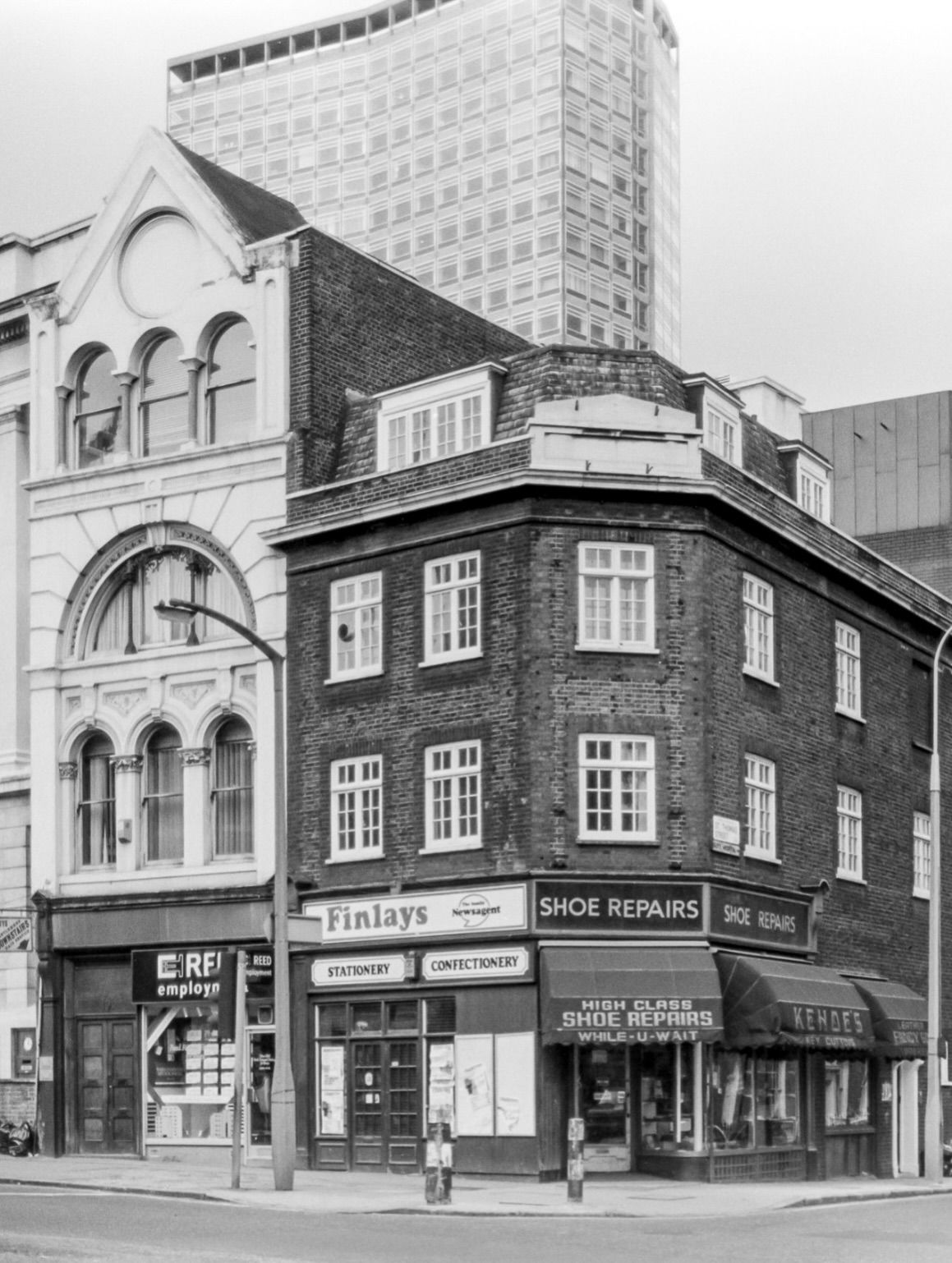
Borough High Street at St Thomas Street

Then
1982 · Peter Marshall
Now
2026

Same corner. Same bricks. Forty odd years apart.

Borough High Street is old even by London standards. Southwark Council traces it back to a Roman road that led to the Roman bridge over the Thames. Two of the big Roman routes from the south, Watling Street and Stane Street, met just down the road near St George the Martyr, and the roads still meet in much the same pattern today.
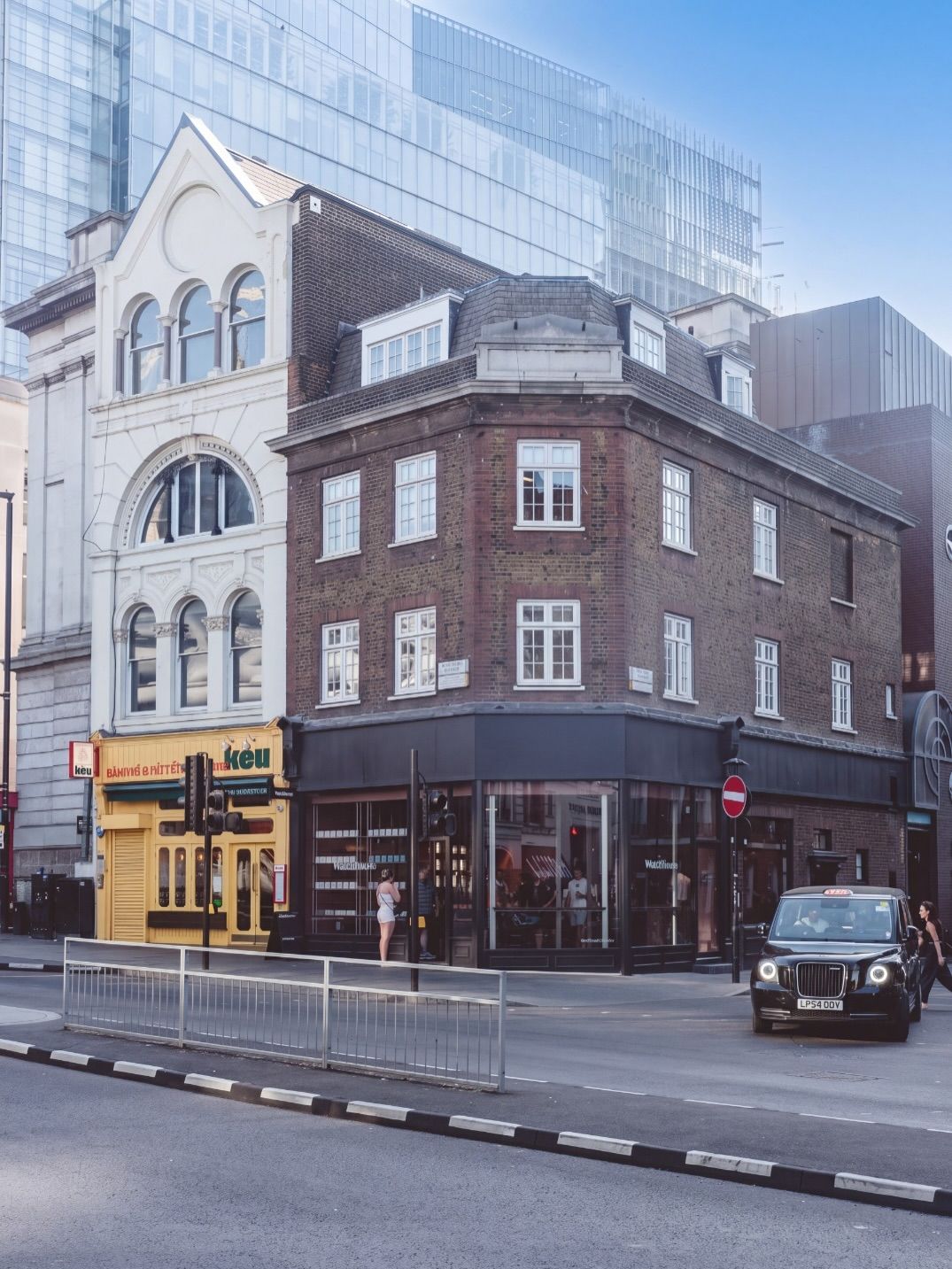
The same brick corner building today, with a dark WatchHouse shopfront on the ground floor. The white building with arched windows to the left now has a yellow shopfront, and glass towers rise behind. A black taxi passes on the road.
Black and white photo from 1982 of a three storey brick corner building on Borough High Street. On the ground floor are Finlays newsagent, a shoe repair shop and Kendes, with an employment agency in the white stone building with arched windows to the left. A tall office tower stands behind.
Then · 1982Now · 2026

02Maltby Street

Maltby Street

Then
1988 · Peter Marshall
Now
2026

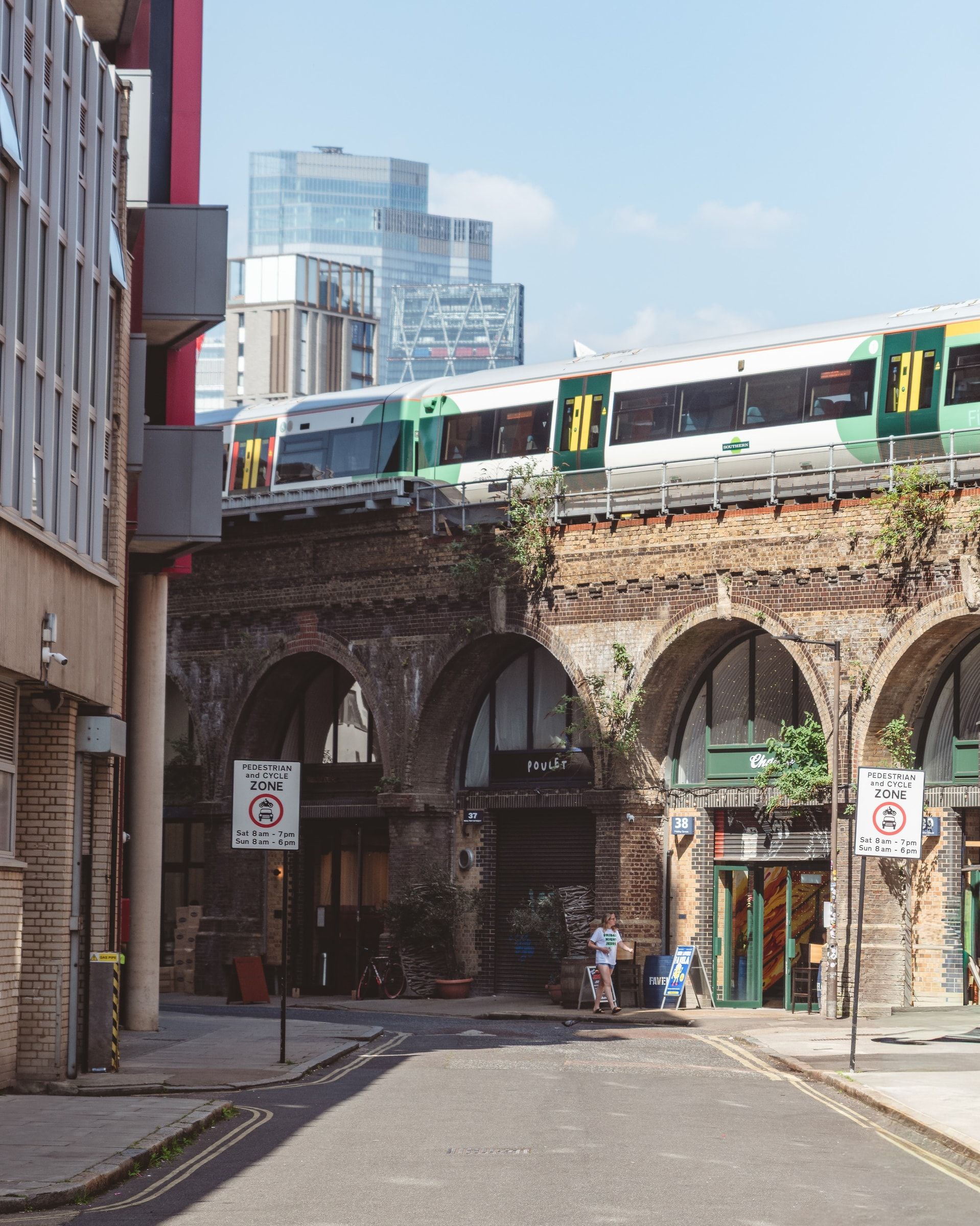
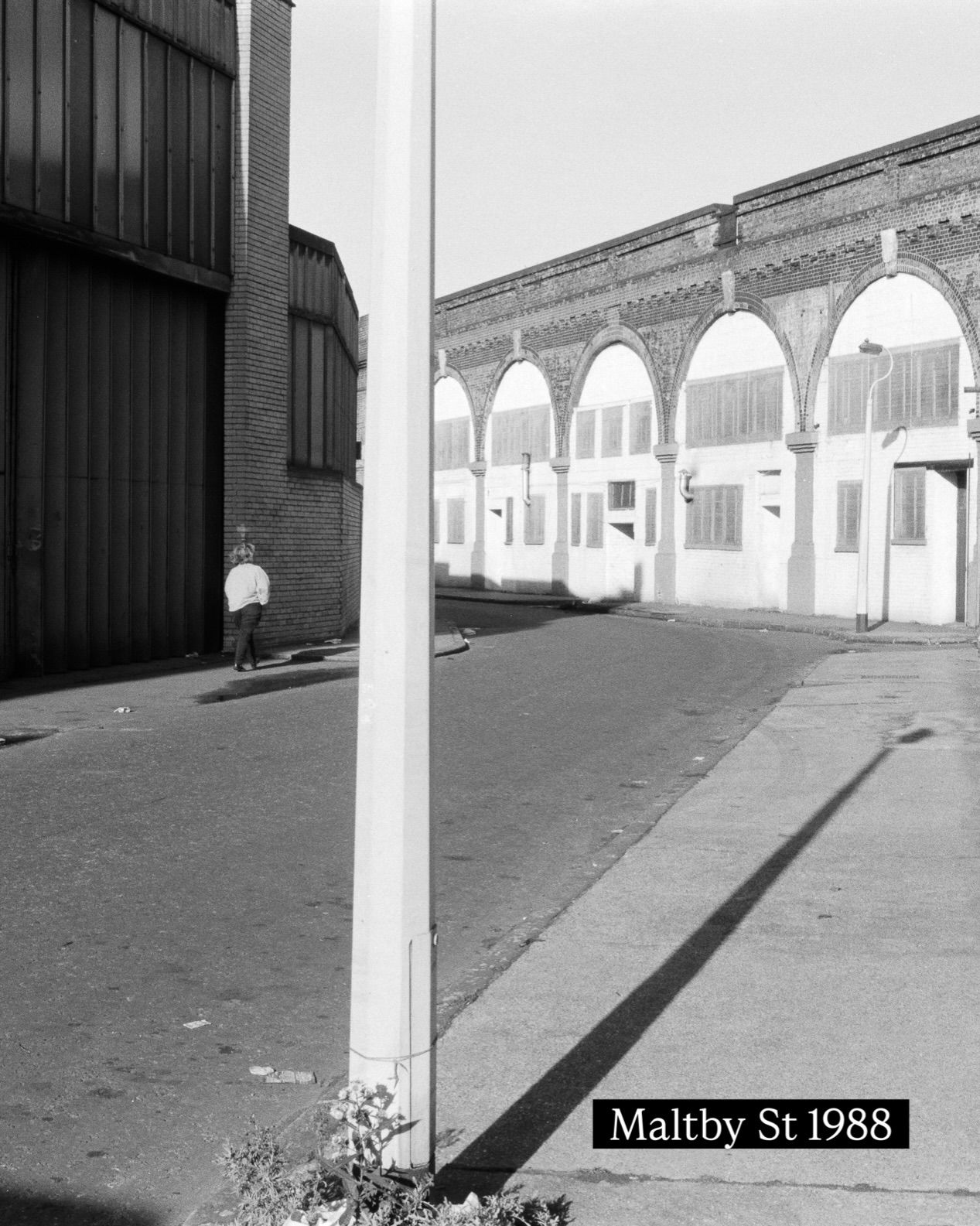
Same street. Almost 40 years apart.

The arches came first. They carry the London and Greenwich Railway, the first steam railway with a terminus in London. Its first trains ran from Spa Road, London's first railway terminus and just along the line from here, to Deptford in February 1836, and the viaduct reached London Bridge that December.

Maltby Street today. The same brick railway arches now have glazed fronts and businesses inside. A green and white train crosses the viaduct and tall buildings stand behind.
Black and white photo of Maltby Street in 1988. An empty road curves towards a row of railway arches whose fronts are filled in and painted white. A corrugated warehouse stands on the left, a lamp post in the foreground and one person walks in the distance.
Then · 1988Now · 2026

03Tanner Street Park

Tanner Street Park

Then
1992 · Peter Marshall
Now
2025

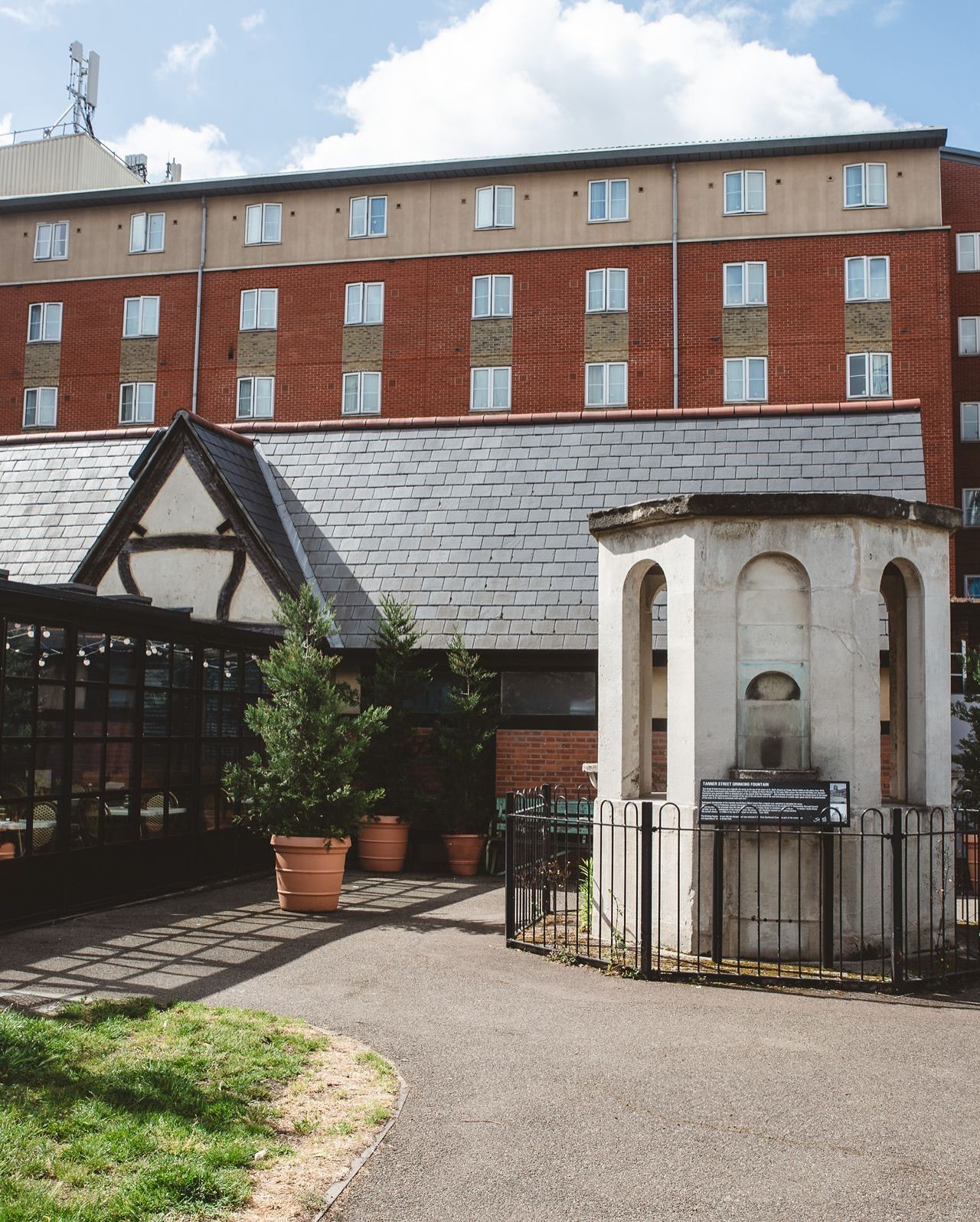
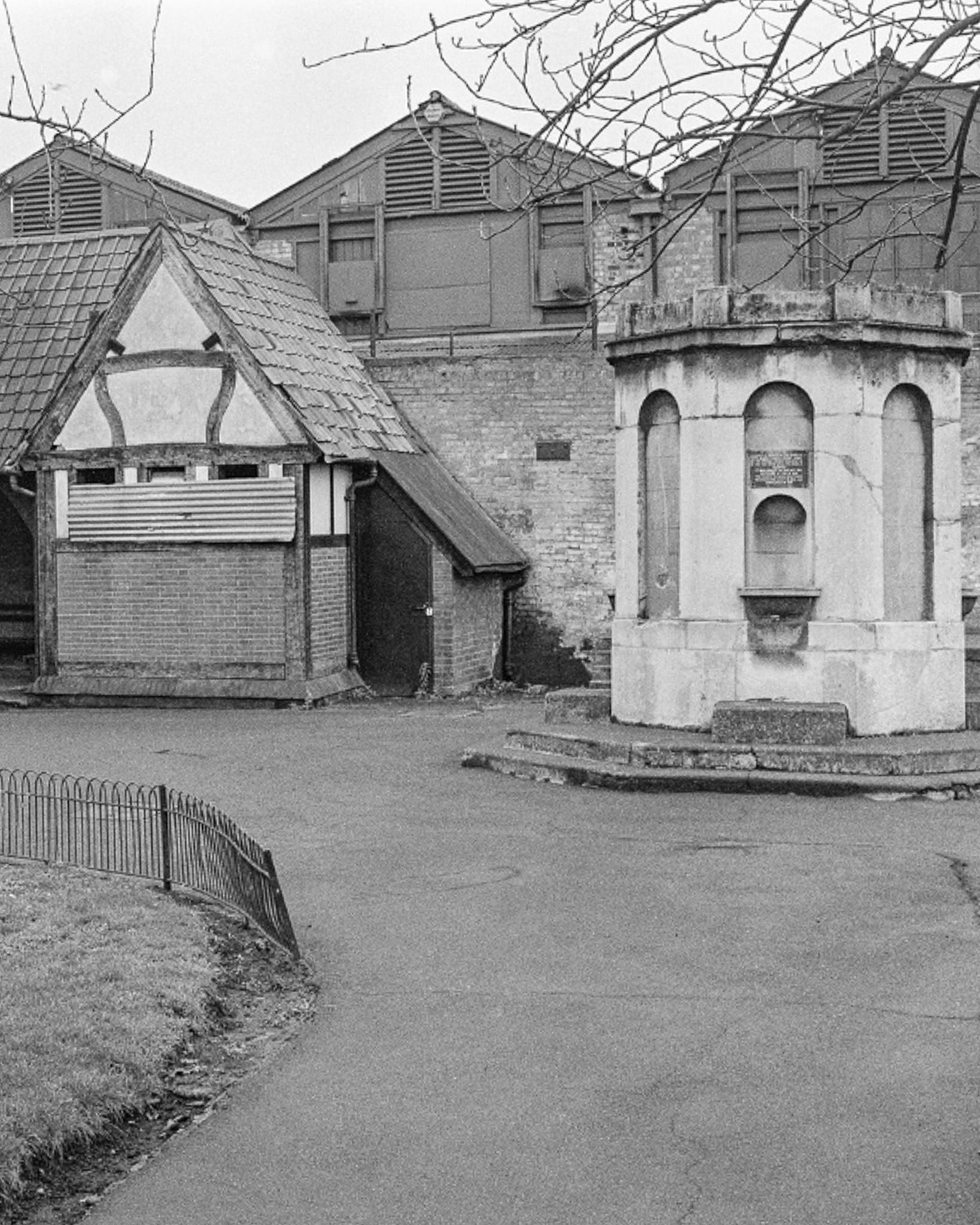
This might be one of the most interesting spots in Tanner Street Park: a drinking fountain that used to sit on top of a church.

The turret began life on top of the tower of St Olave's Church on Tooley Street. Historic England dates it to 1738 to 1739, when the church was rebuilt to a design by Henry Flitcroft. It's carved from Portland stone and eight sided.

The same stone turret today behind black railings, with the half timbered pavilion beside it, now a restaurant with a glass extension and potted trees at the door. A brick block of flats stands behind.
Black and white photo from 1992 of an eight sided stone turret on a stepped base in Tanner Street Park, beside a mock Tudor pavilion with a half timbered gable and a shuttered window. Industrial sheds stand behind.
Then · 1992Now · 2025

04Bermondsey Street

Long Lane and Bermondsey Street

Then
1992 · Peter Marshall
Now
2025

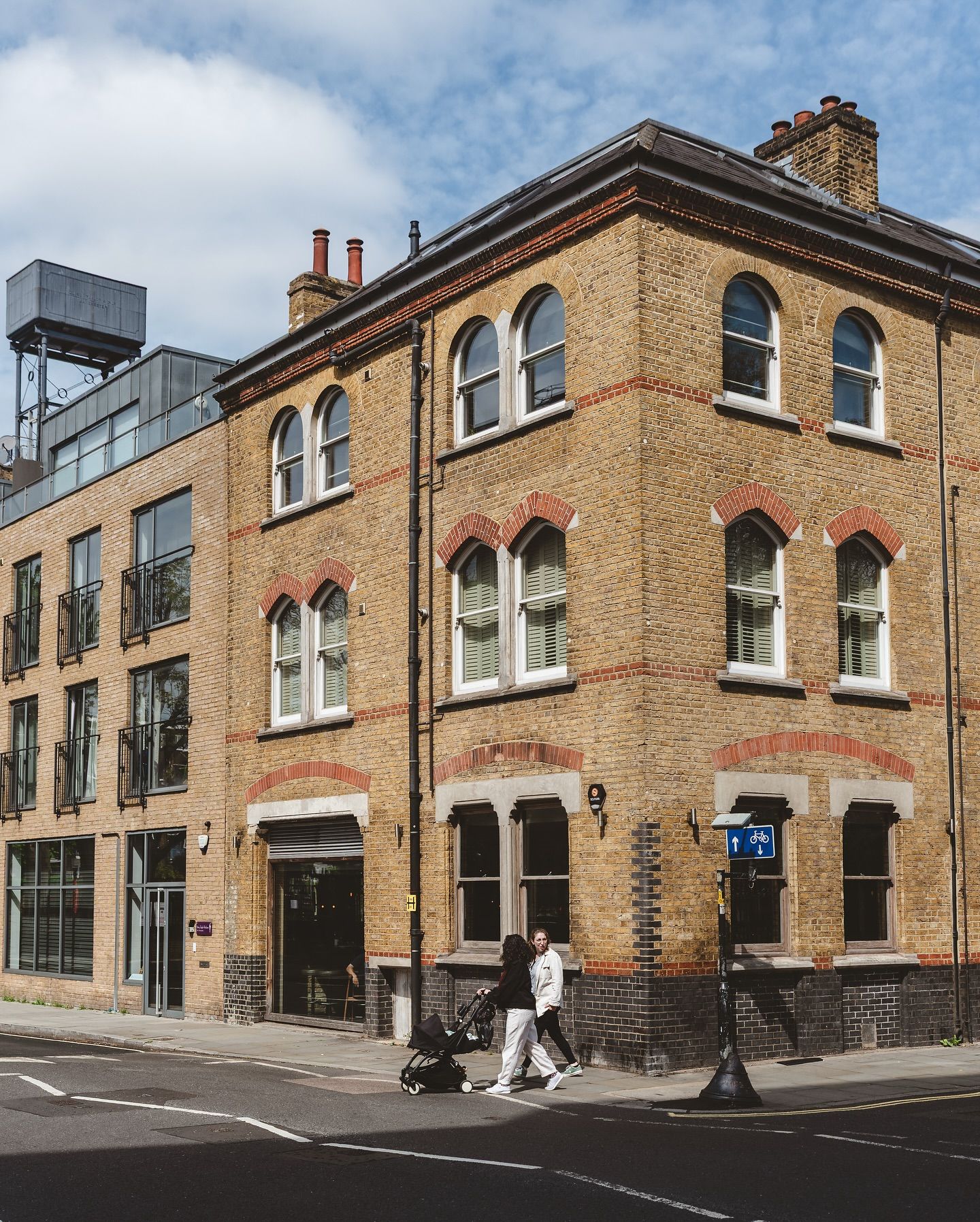
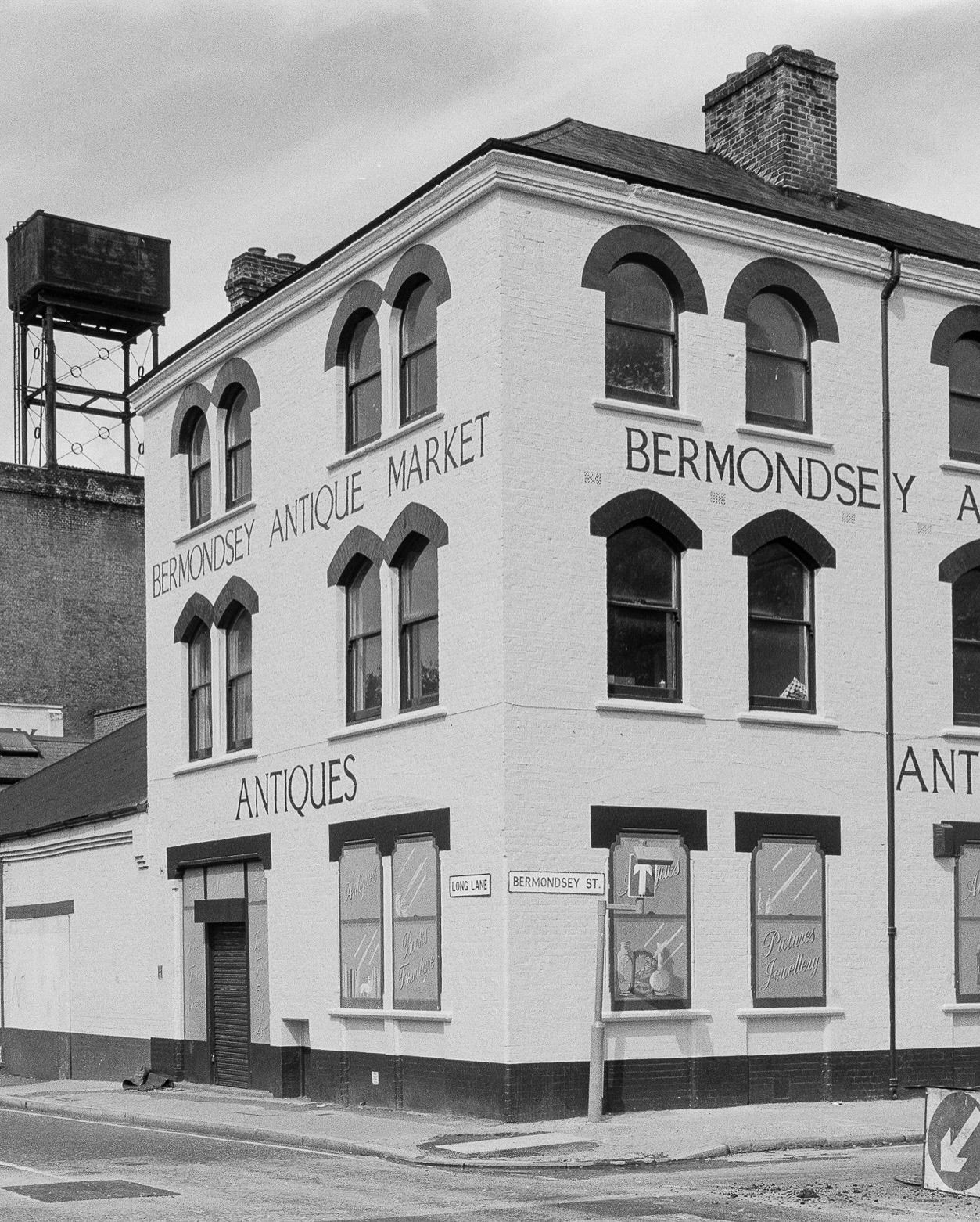
1992, Long Lane/Bermondsey St: the Bermondsey Antique Market, a dawn-till-lunch treasure hunt where bargaining was an art form.

This building stands where Long Lane meets Bermondsey Street. Southwark Council's conservation area appraisal picks out the three storey group on this corner as important because you see it from Bermondsey Square and from the churchyard.

The same corner building today in yellow stock brick with red brick arches over the windows, now the Flour & Grape restaurant. Two people with a pushchair cross the road in front.
Black and white photo from 1992 of a three storey corner building painted white and lettered Bermondsey Antique Market and Antiques, with painted boards over the ground floor windows and Long Lane and Bermondsey St street signs on the corner.
Then · 1992Now · 2025

05Bermondsey Street

173 Bermondsey Street

Then
1988 · Peter Marshall
Now
2025

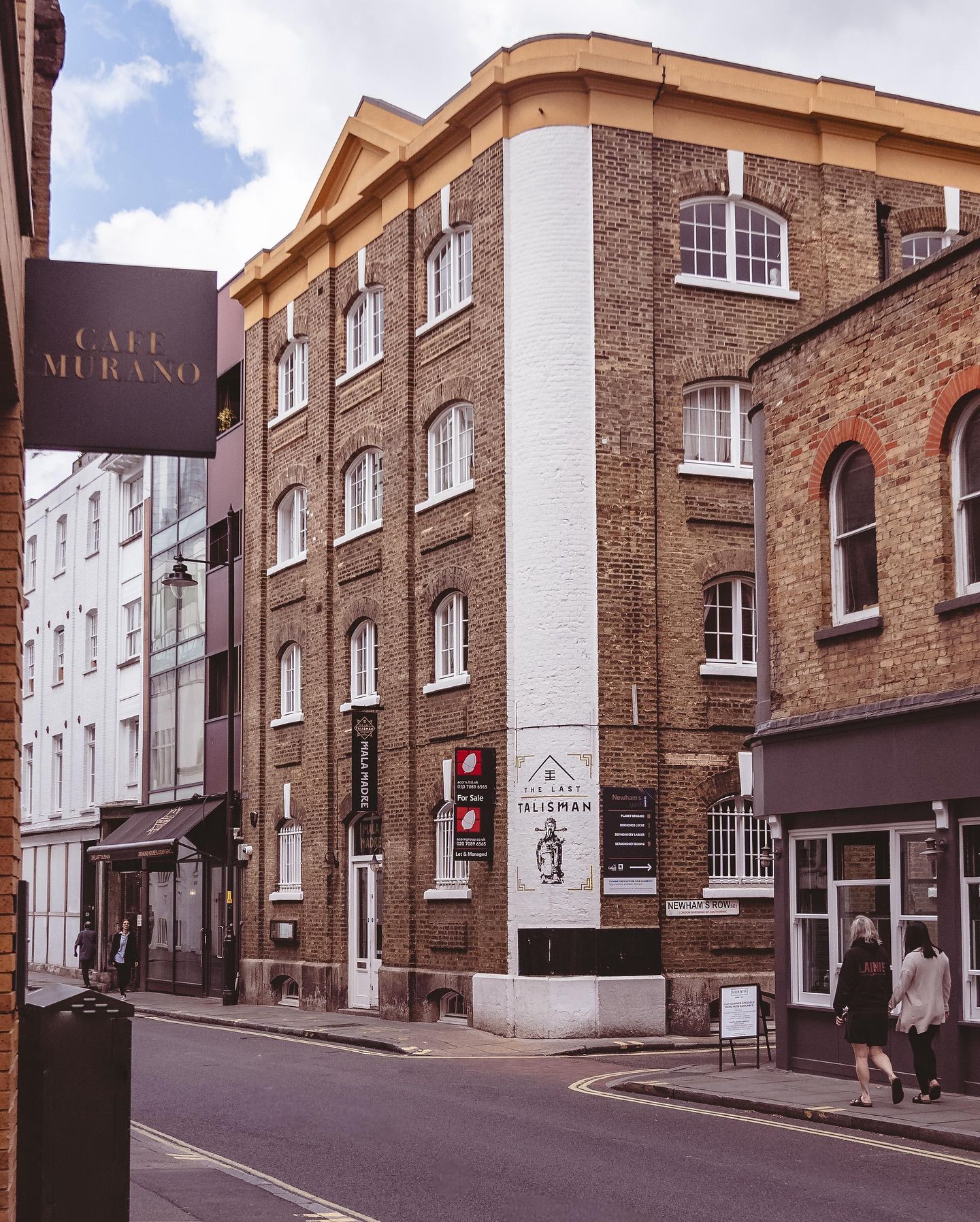
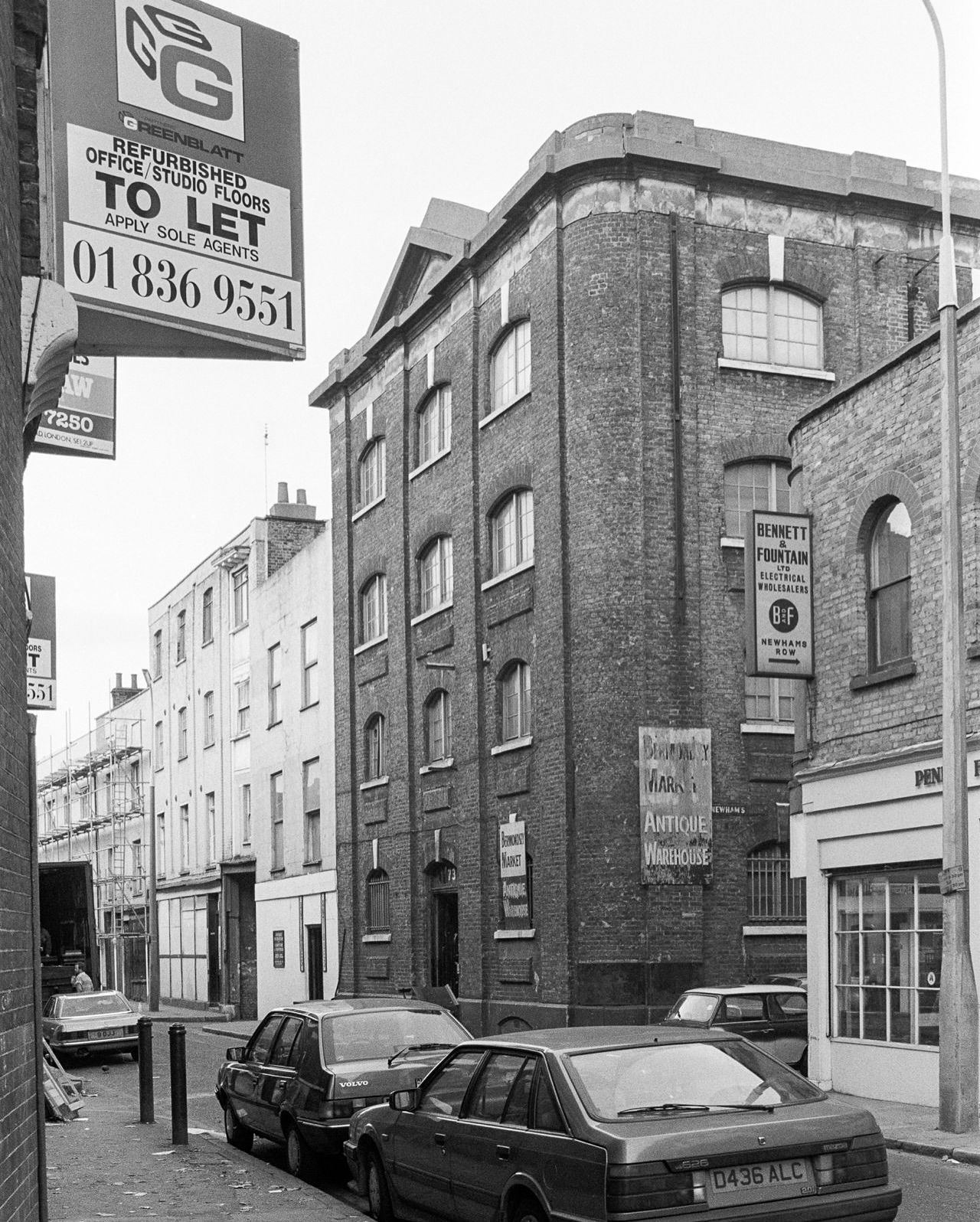
Bermondsey Street has come a long way, from a hub of tanneries and warehouses to the thriving cultural and foodie hotspot we know today.

This is 173 Bermondsey Street, on the corner of Newham's Row. It's Grade II listed, and Historic England describes it as an early 19th century cloth factory: four storeys over a basement in brown brick, with a rounded corner and giant pilasters running the full height.

The same building today with its cornice painted cream, a white painted corner with The Last Talisman mural, a Mala Madre banner and a Cafe Murano hanging sign in the foreground. People walk past on the pavement.
Black and white photo from 1988 of a four storey brick former factory on the corner of Bermondsey Street and Newham's Row, with a curved cornice and pediment, Bermondsey Market Antique Warehouse signs and a To Let board. Cars are parked in front.
Then · 1988Now · 2025

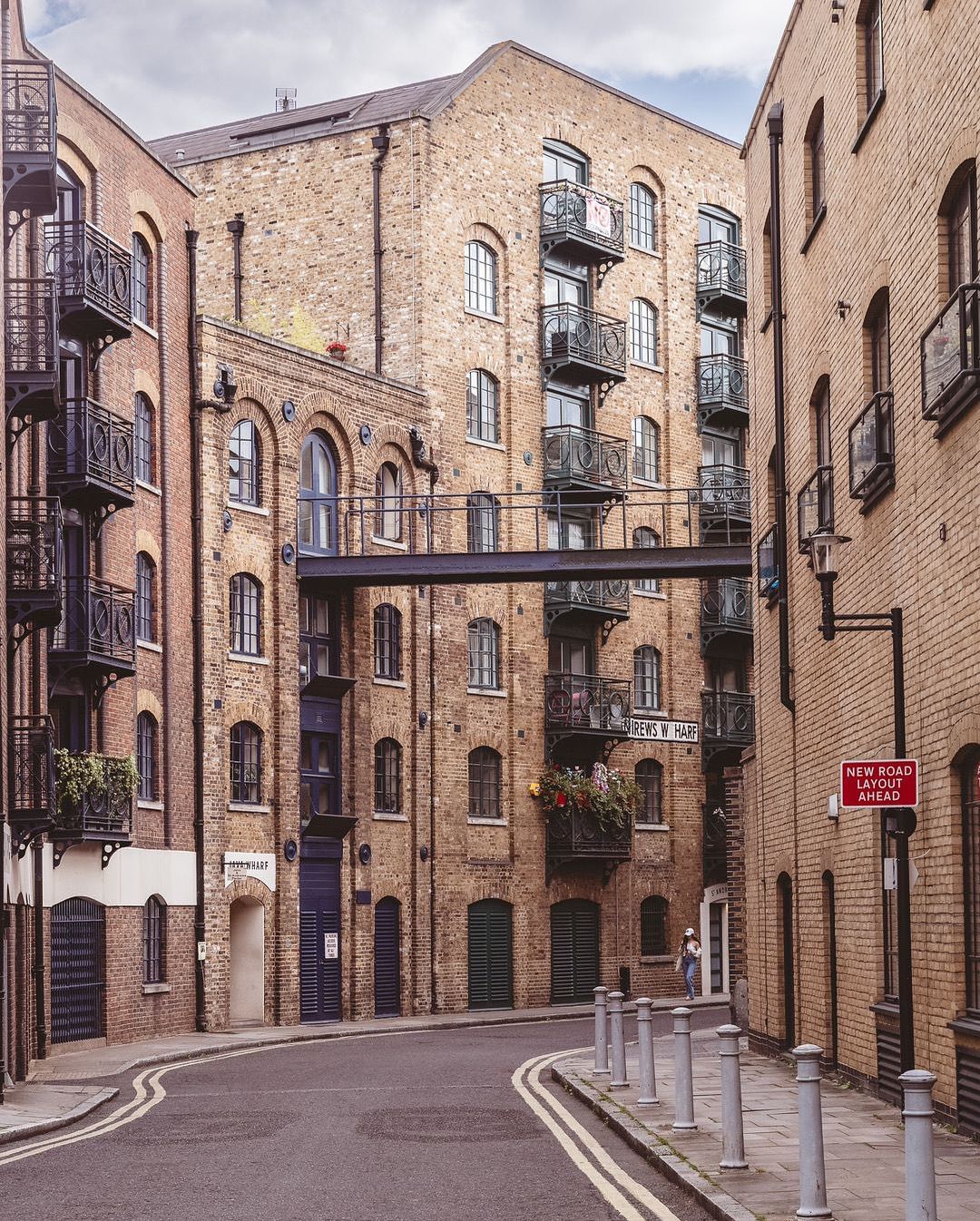
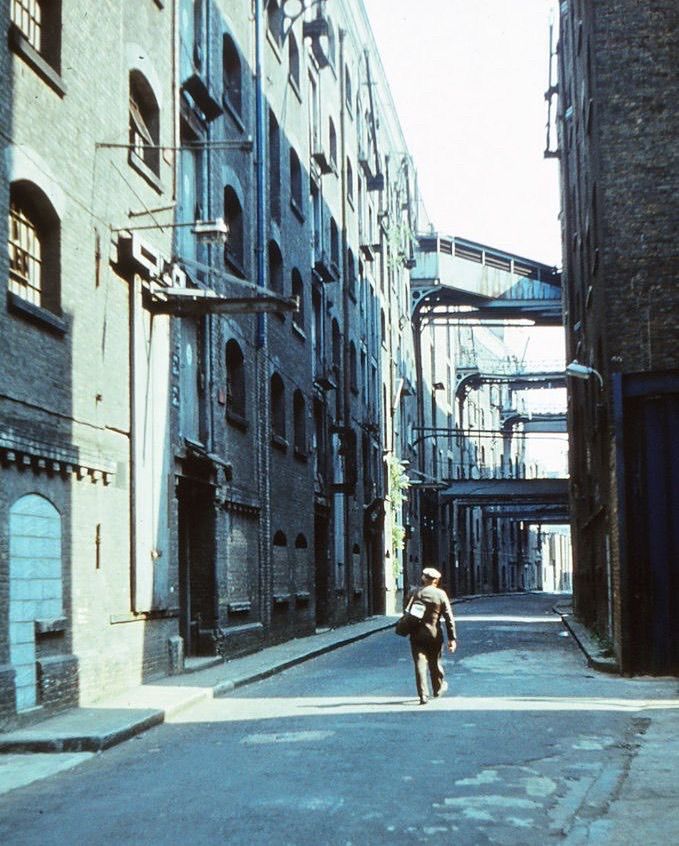
06Shad Thames

Shad Thames

Then
1985 · Peter Marshall
Now
2024

Swipe through to see how this iconic area has transformed over the years! We’ve got a snapshot from 1985 by the talented Peter Marshall, showcasing Shad Thames in its industrial heyday.

The name goes back a long way. Southwark Council says Shad Thames is a corruption of St John at Thames, after the Knights of St John of Jerusalem, who owned the land in the Middle Ages. Both sides of the street were built up by the end of the 1600s.

Shad Thames today: converted brick warehouses with balconies and window boxes, a replica iron gangway across the street and the road curving away between them.
Colour photo from 1985 of Shad Thames: a narrow street between tall brick warehouses, crossed by several iron bridges at different heights, with one person walking away down the middle.
Then · 1985Now · 2024

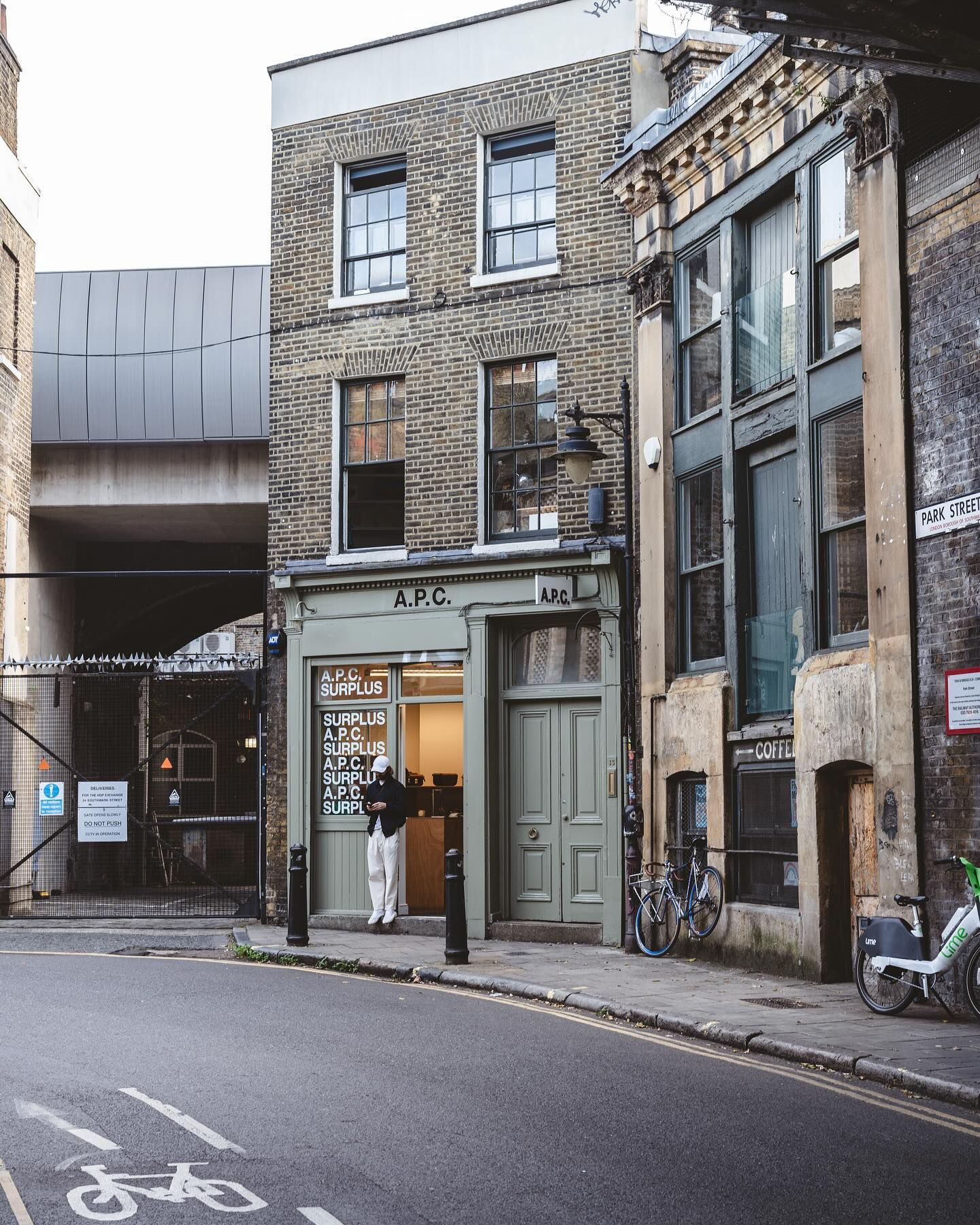
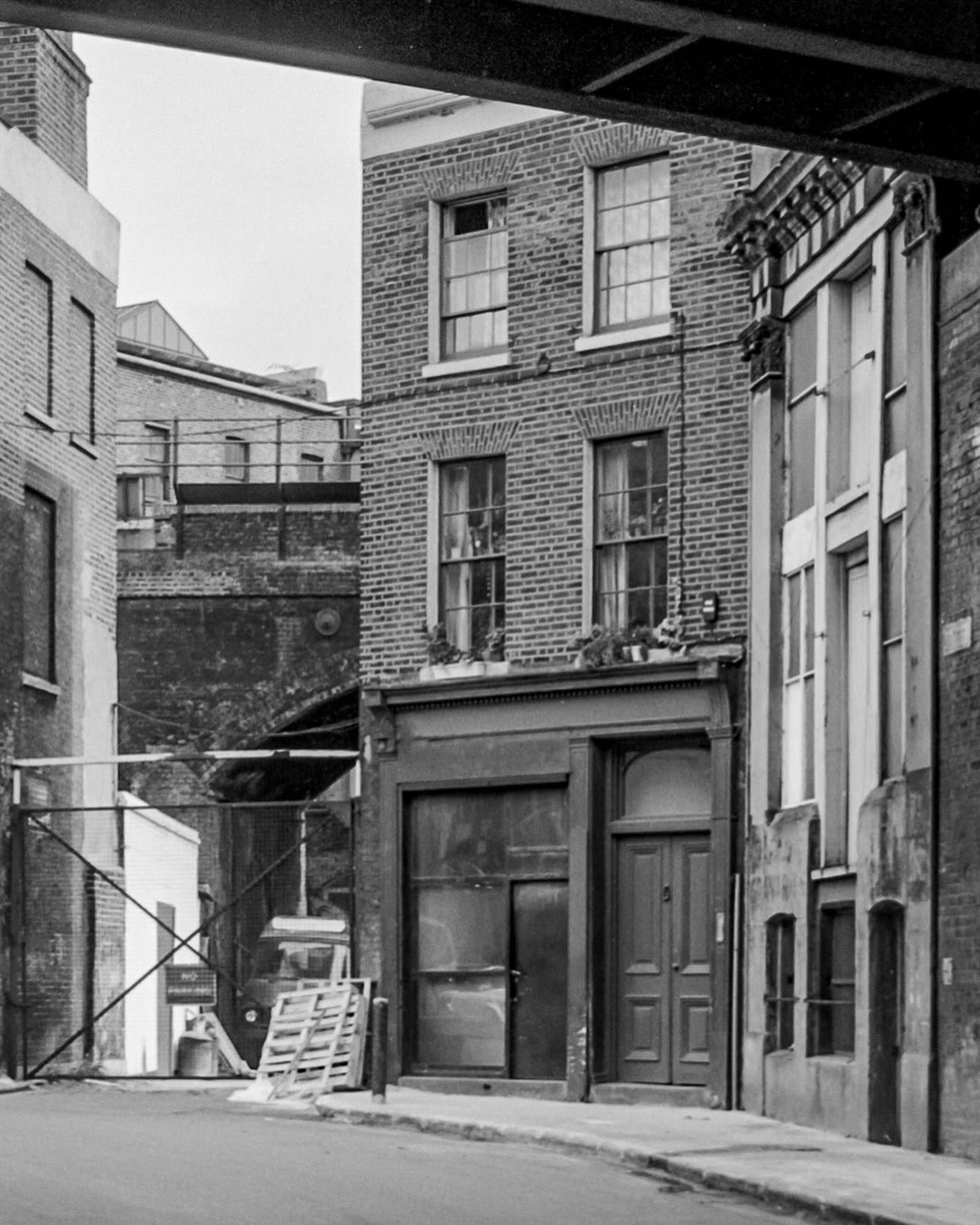
07Park Street

13 Park Street

Then
1982 · Peter Marshall
Now
2024

From past to present, Park Street has changed a lot and kept more than you might expect.

Park Street takes its name from the land it crosses. The Survey of London explains that it runs across what was once the Bishop of Winchester's park, land granted to the bishops in the early 12th century and let out and built over from Tudor times. Today's street joins two older ones: Maid Lane, running parallel to the river, and Deadman's Place.

The same building today as the A.P.C. Surplus shop, with a sage green shopfront and double doors, a grey clad railway viaduct behind on the left and a Park Street name plate on the building to the right. Bikes are parked on the pavement.
Black and white photo from 1982 of a three storey brick building on Park Street with a shopfront and panelled double doors, a taller building with tall windows and a heavy cornice on the right, a gated yard on the left and an iron railway bridge overhead.
Then · 1982Now · 2024

08Bermondsey Street

The Watch House, Bermondsey Street

Then
2013 · Steven Craven
Now
2024

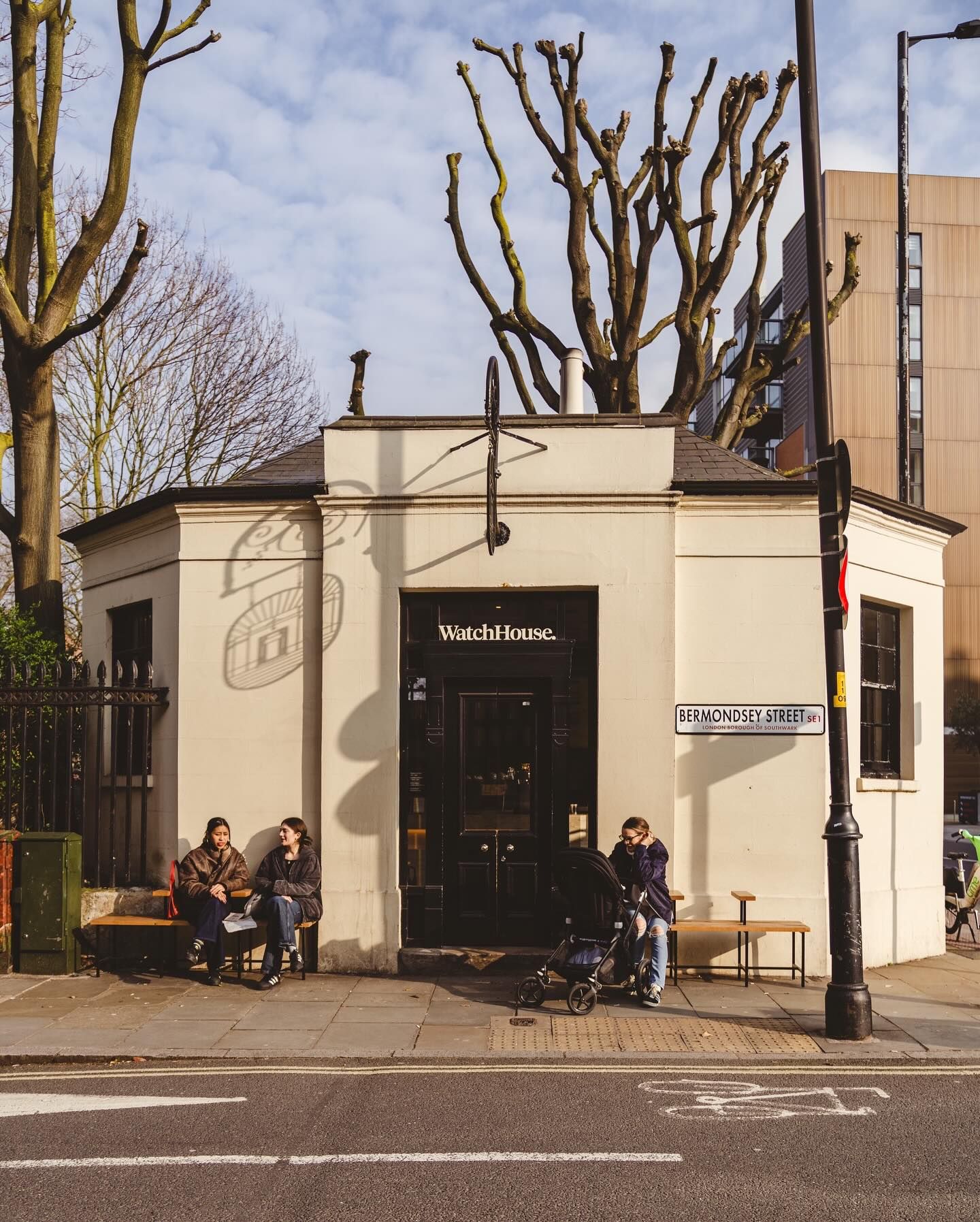
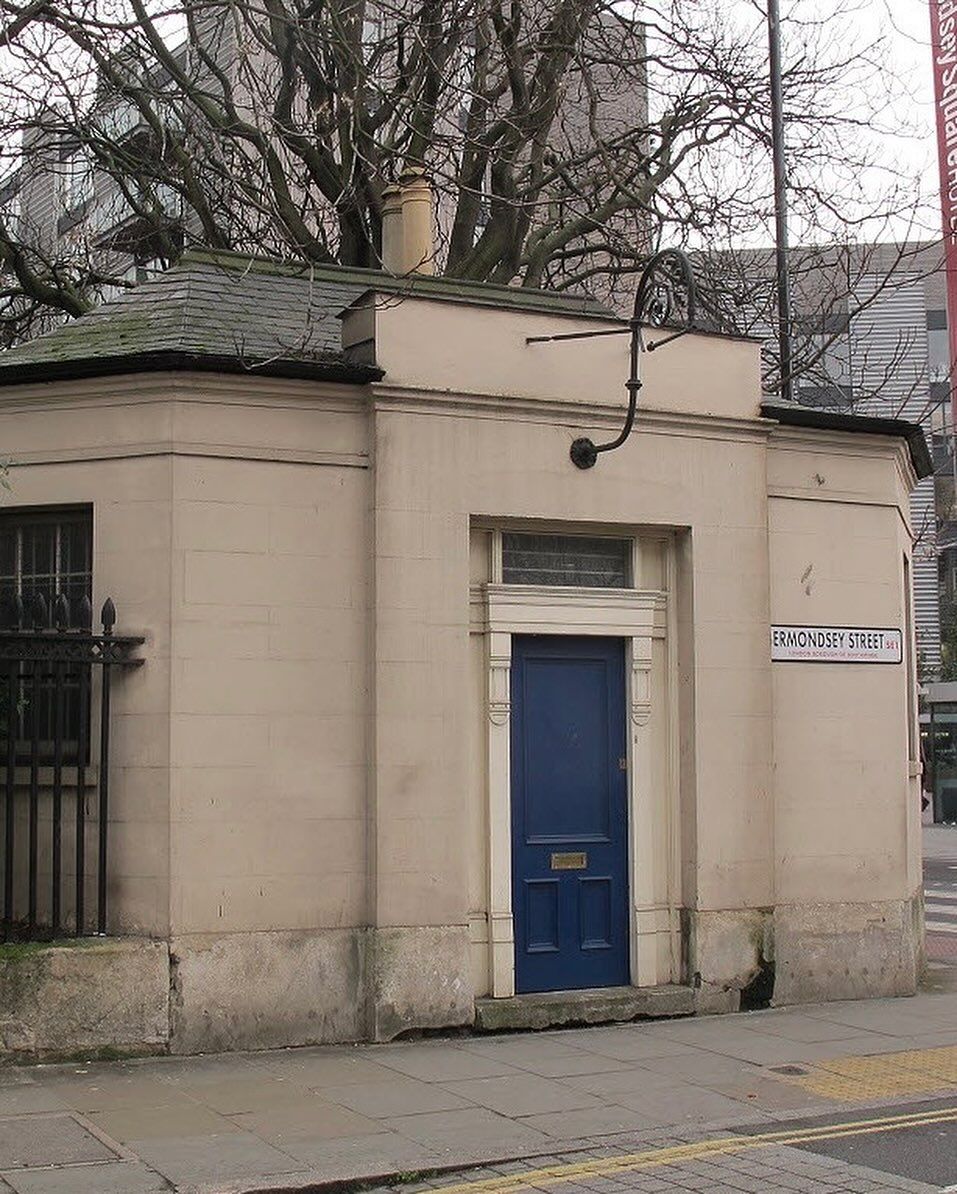
A small Grade II listed watch house by the churchyard of St Mary Magdalen, now home to the first @watchhouse. Swipe to see how it has changed.

The watch house is listed Grade II. Historic England dates it to the early 19th century: a small stucco building with a low slate roof and a many sided plan, its long side facing the street.

The same building today with a black WatchHouse shopfront and a hanging sign over the door, people sitting on benches outside and tall pollarded trees behind.
The watch house in 2013: a small single storey stucco building with a blue panelled door, sash windows and a Bermondsey Street name plate, with bare winter trees and churchyard railings beside it.
Then · 2013Now · 2024

09Stoney Street

Borough Market from Stoney Street

Then
1986 · Peter Marshall
Now
2023

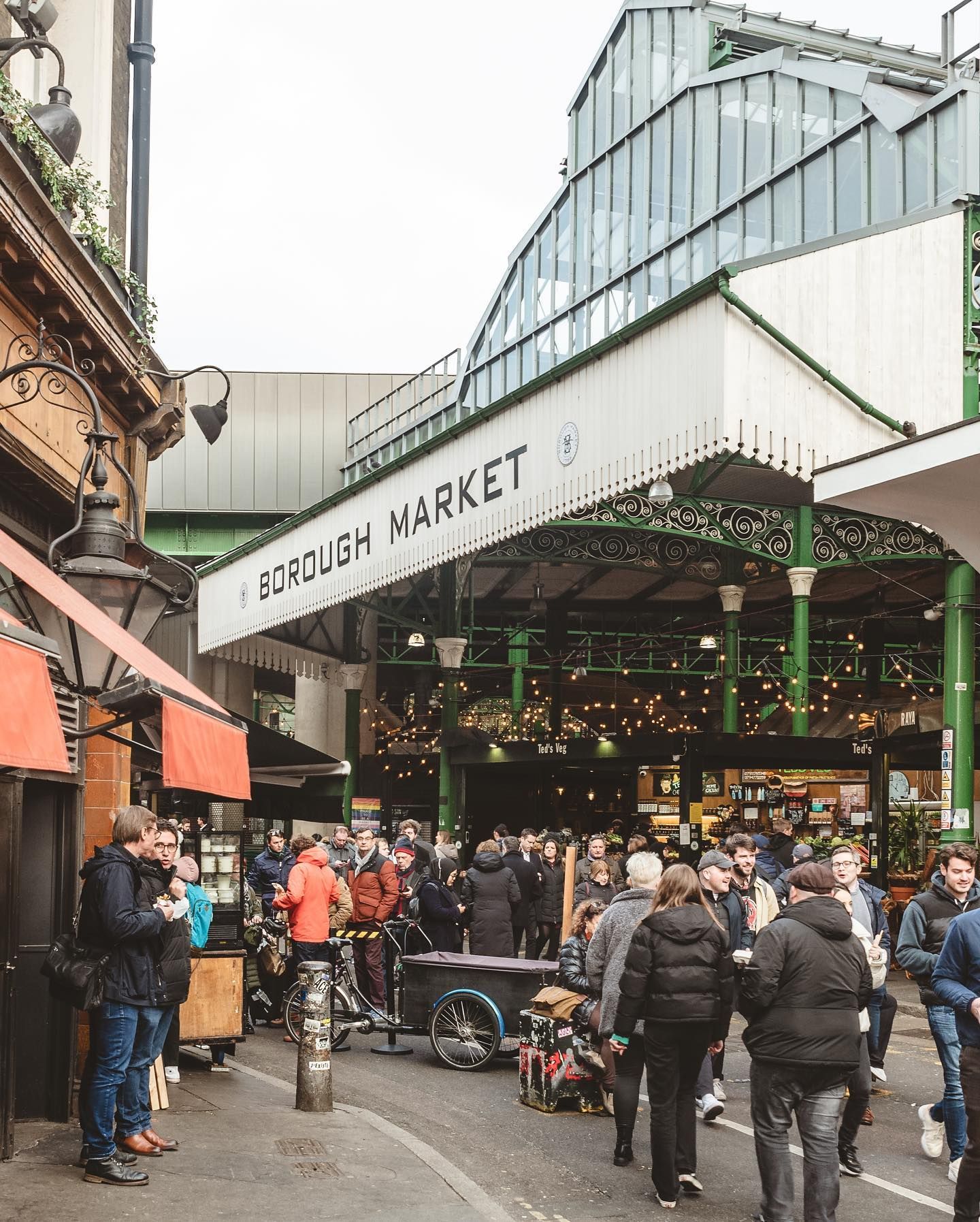
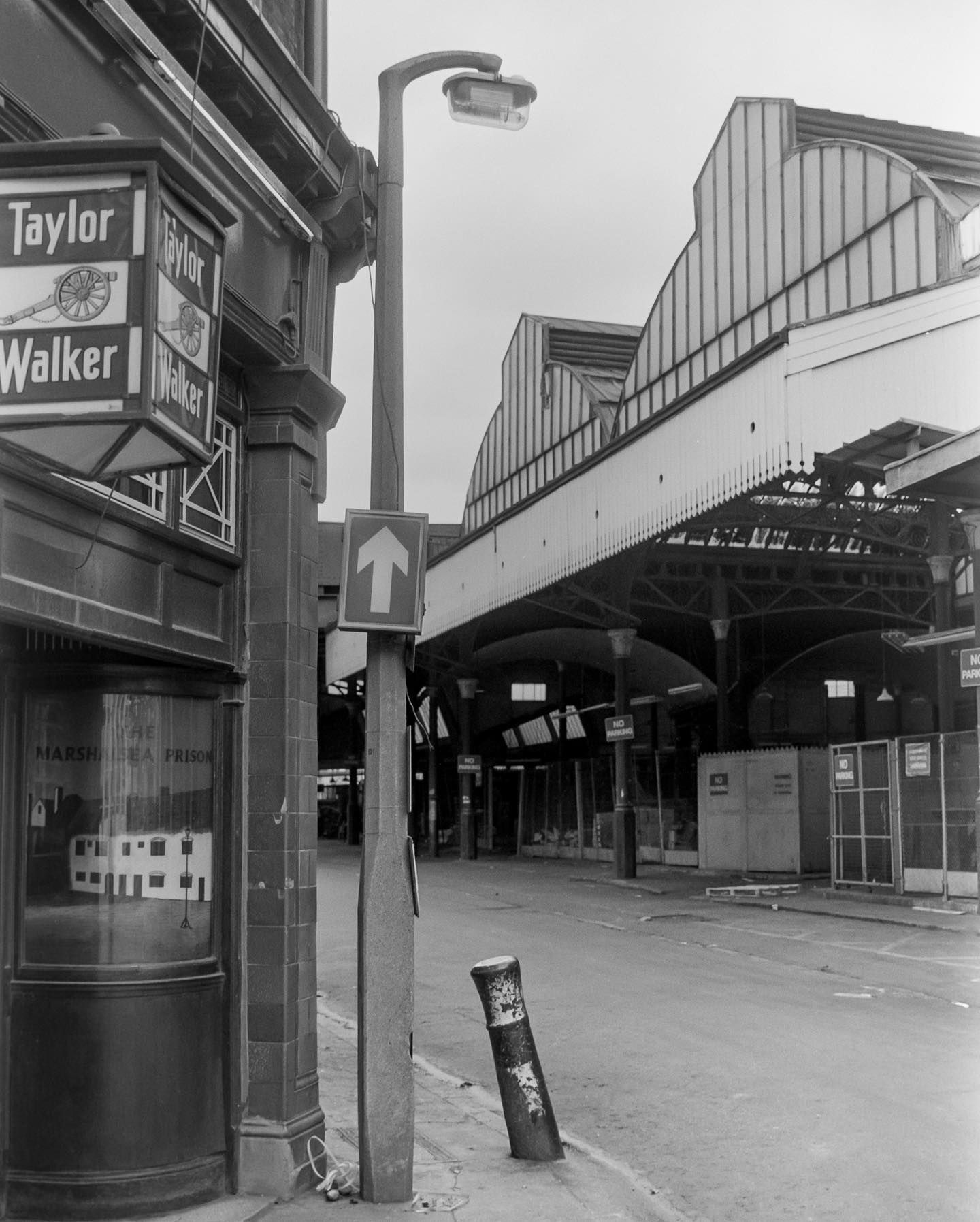
Swipe to travel through time! From a bustling 2023 @boroughmarket to a quiet 1986 Stoney Street. Captured by us @bermondseyse1 and the lens of Peter Marshall, witness the remarkable transformation of one of London’s oldest markets.

In 1986 Borough Market was still a wholesale fruit and veg market. The heavy trading happened at night and in the early hours, which is why Peter Marshall found Stoney Street so empty in daylight.

The same view today, busy with people under the Borough Market canopy, now painted white with the market's name, and the corner pub with awnings and hanging plants on the left.
Black and white photo of an empty Stoney Street in 1986, with Borough Market's iron and glass canopy on the right and a corner pub with a Taylor Walker lantern sign on the left.
Then · 1986Now · 2023

10Page's Walk

Page's Walk

Then
1985 · Peter Marshall
Now
2023

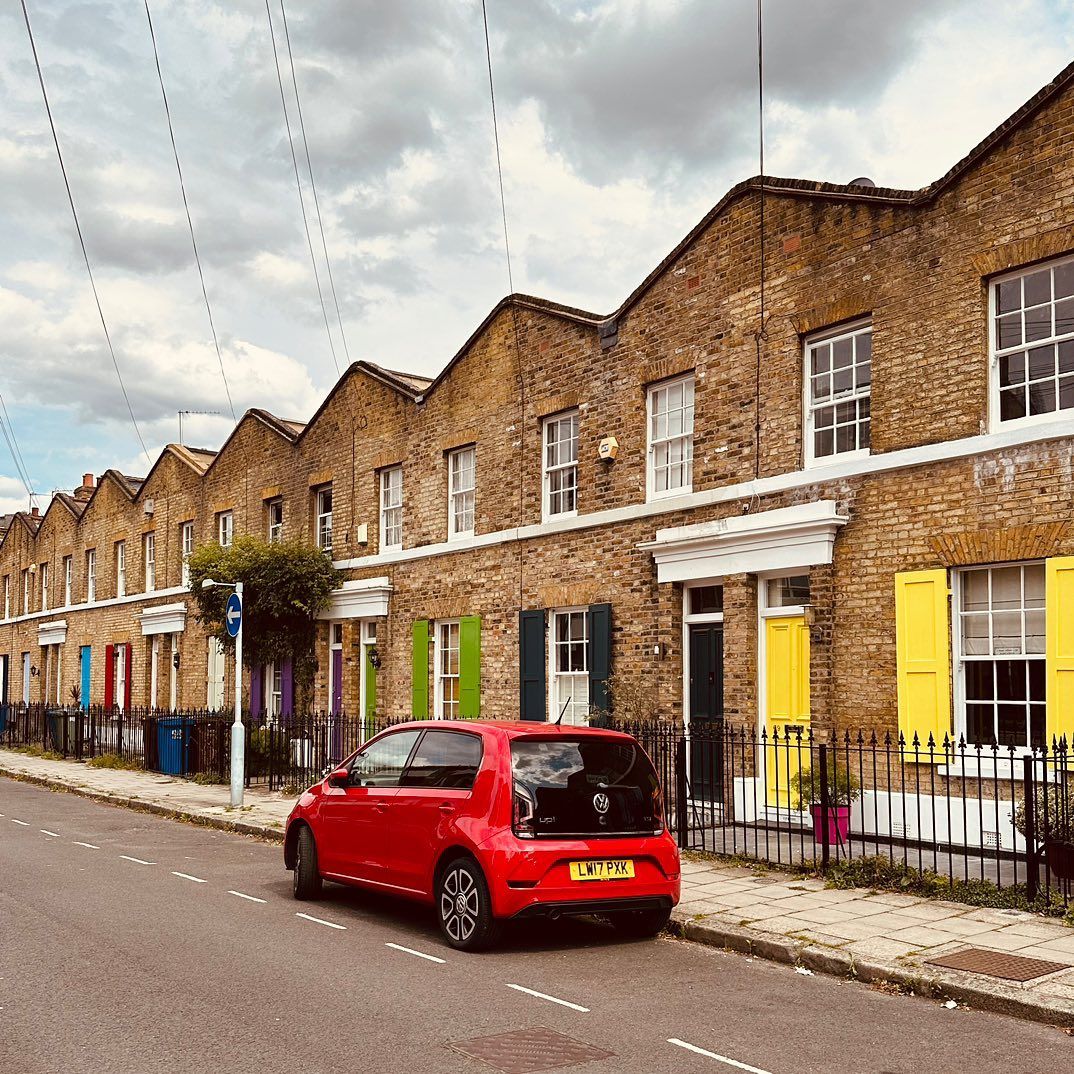
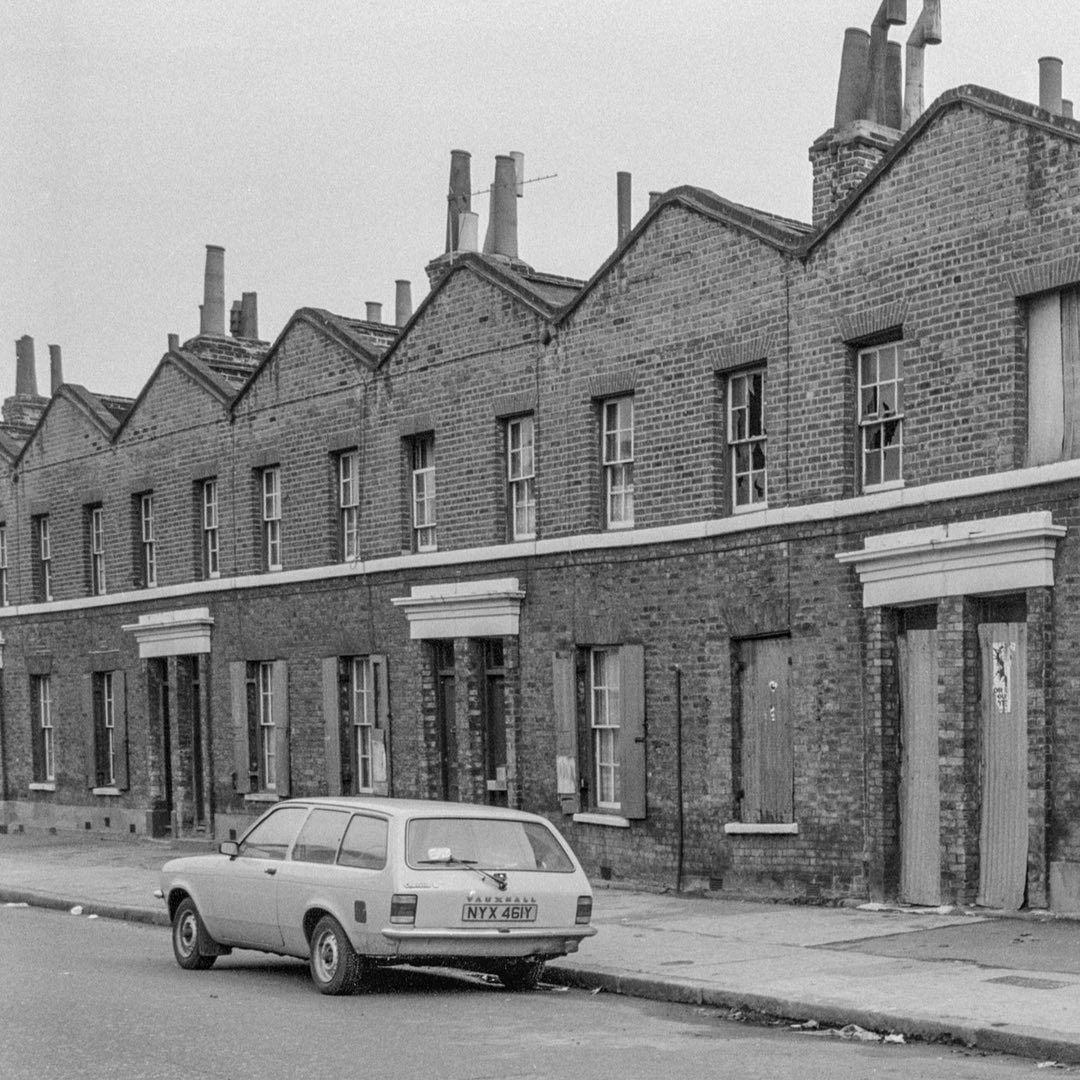
Journey through time with us! From 1840s cottages built as the railways arrived to a street of painted doors and small front gardens, Page's Walk is Bermondsey at its most lived in. Swipe for a blast from the past!

This is numbers 47 to 73 Page's Walk, a terrace of 14 two storey cottages in yellow stock brick. Southwark Council dates it to around the 1840s, built at the same time and by the same developer as the row further along at 81 to 103.

The same terrace today, with doors and shutters painted yellow, green and navy, black railings and small front gardens. A red car is parked outside.
Black and white photo from 1985 of a terrace of two storey brick cottages on Page's Walk, with a zigzag roofline, tall chimney pots and several boarded up windows and doors. An estate car is parked outside.
Then · 1985Now · 2023

11Leathermarket Street

The Morocco Store

Then
1992 · Peter Marshall
Now
2023

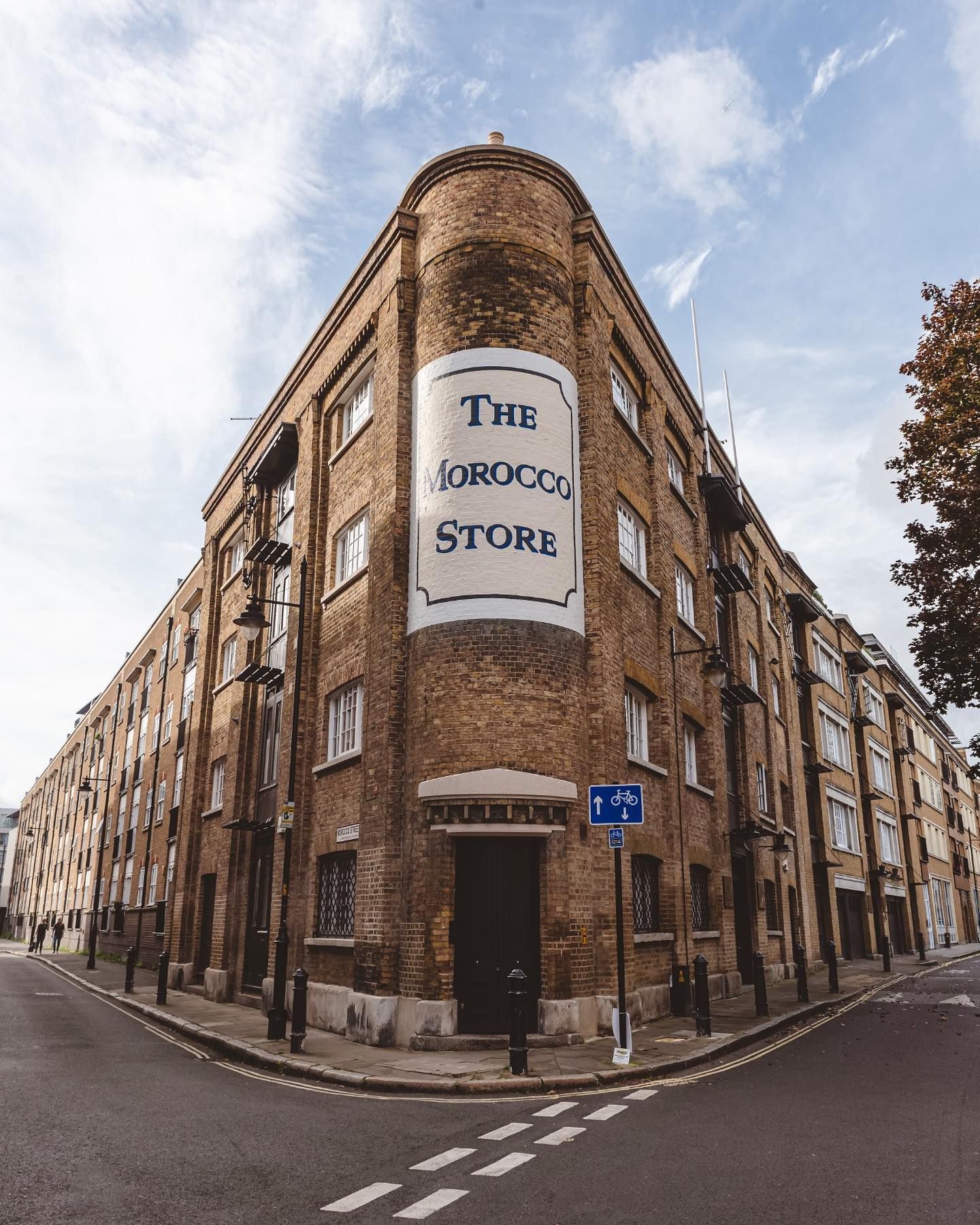
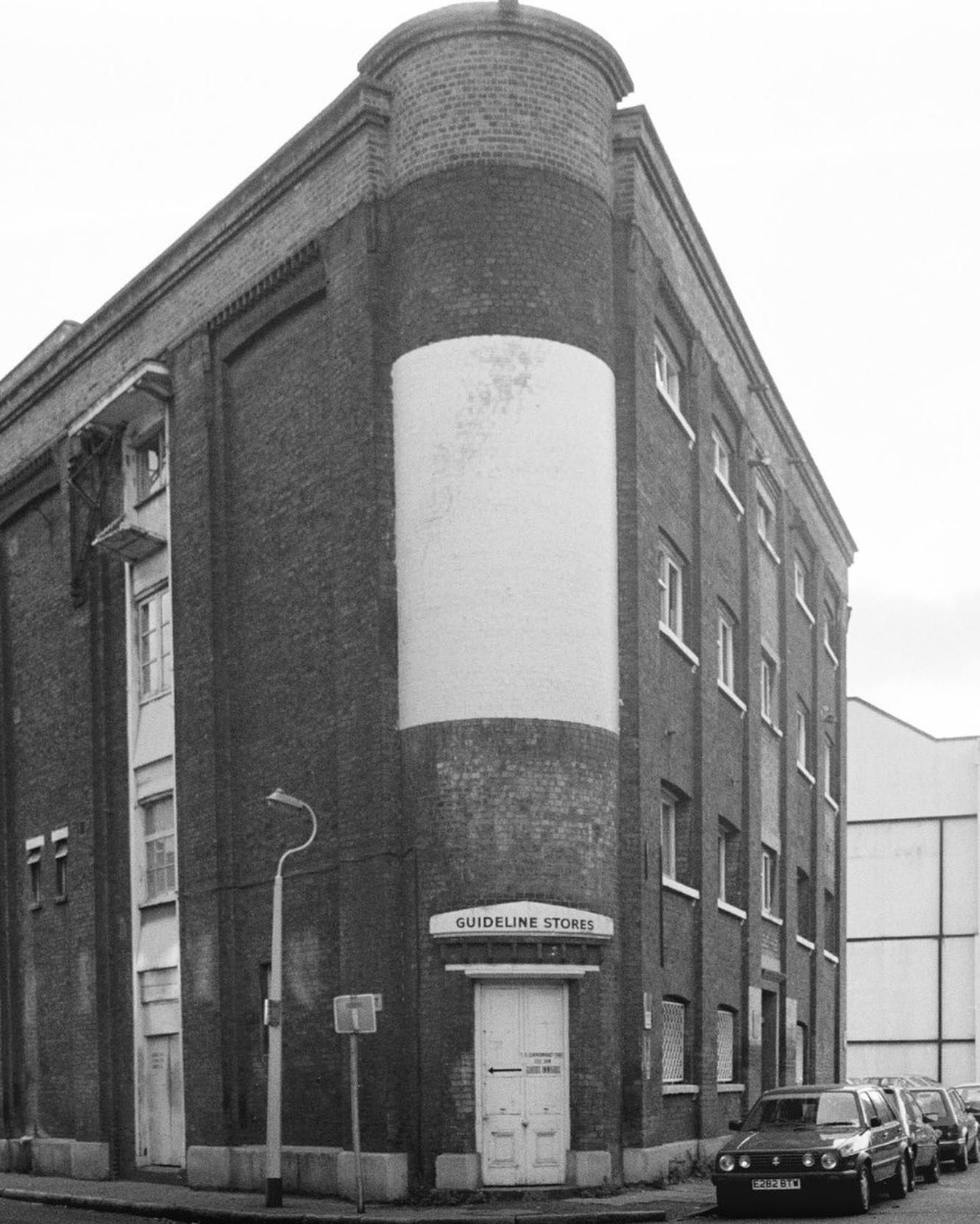
A 19th century warehouse, converted into flats in the late 1990s.

The Morocco Store sits on a wedge shaped corner where Morocco Street meets Leathermarket Street at an angle. Southwark Council's local list describes it as a later 19th century warehouse in stock brick, with a sunk, rounded corner at the point of the wedge.

The same warehouse today, cleaned, with The Morocco Store painted in the panel on the rounded corner and small metal balconies along the side.
Black and white photo from 1992 of a tall brick warehouse on a pointed corner, with a rounded windowless corner, a blank white painted panel and a small Guideline Stores sign over the corner door. Cars are parked along the street.
Then · 1992Now · 2023

12Grange Road

Alaska Factory gateway

Then
1982 · Peter Marshall
Now
2023

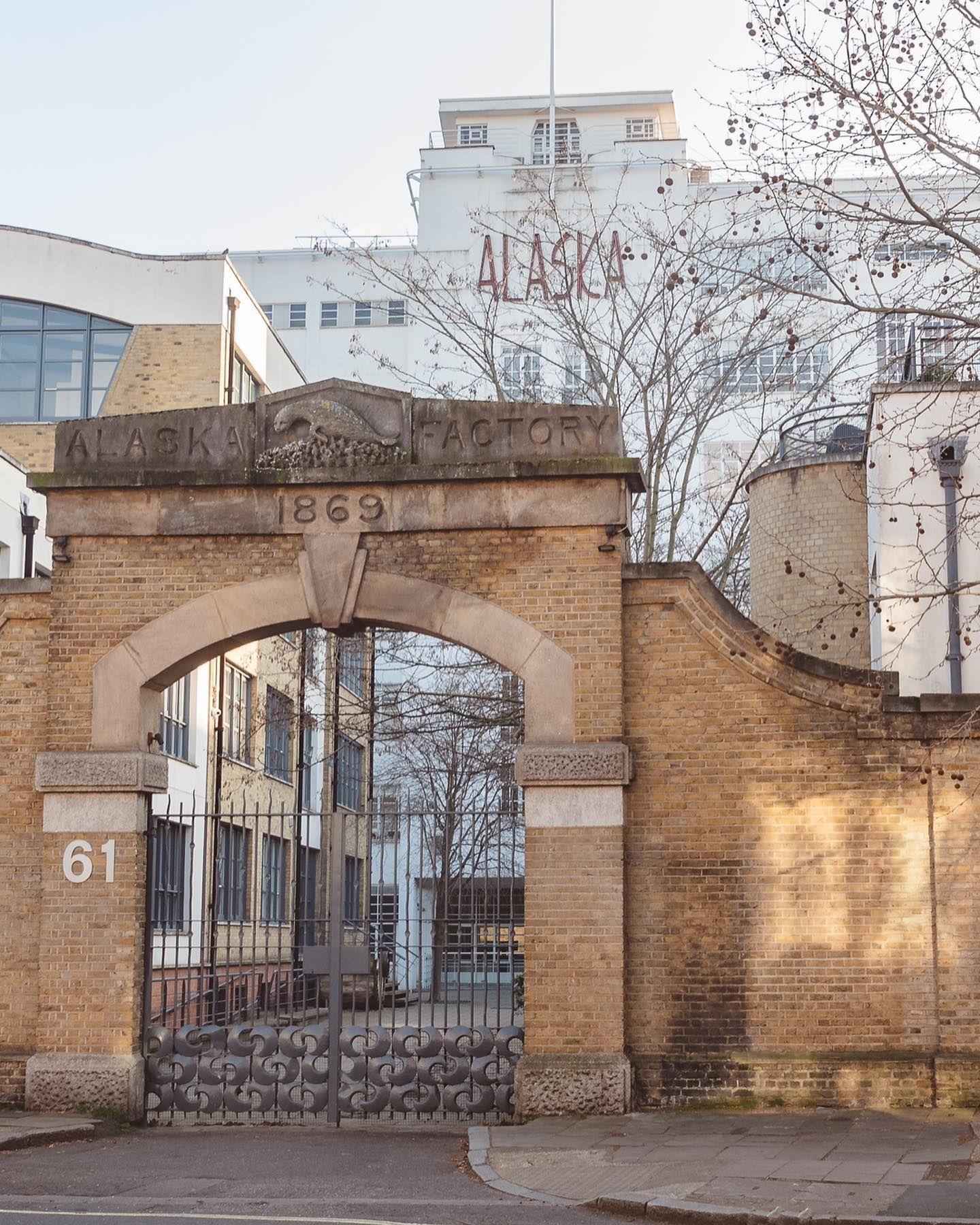
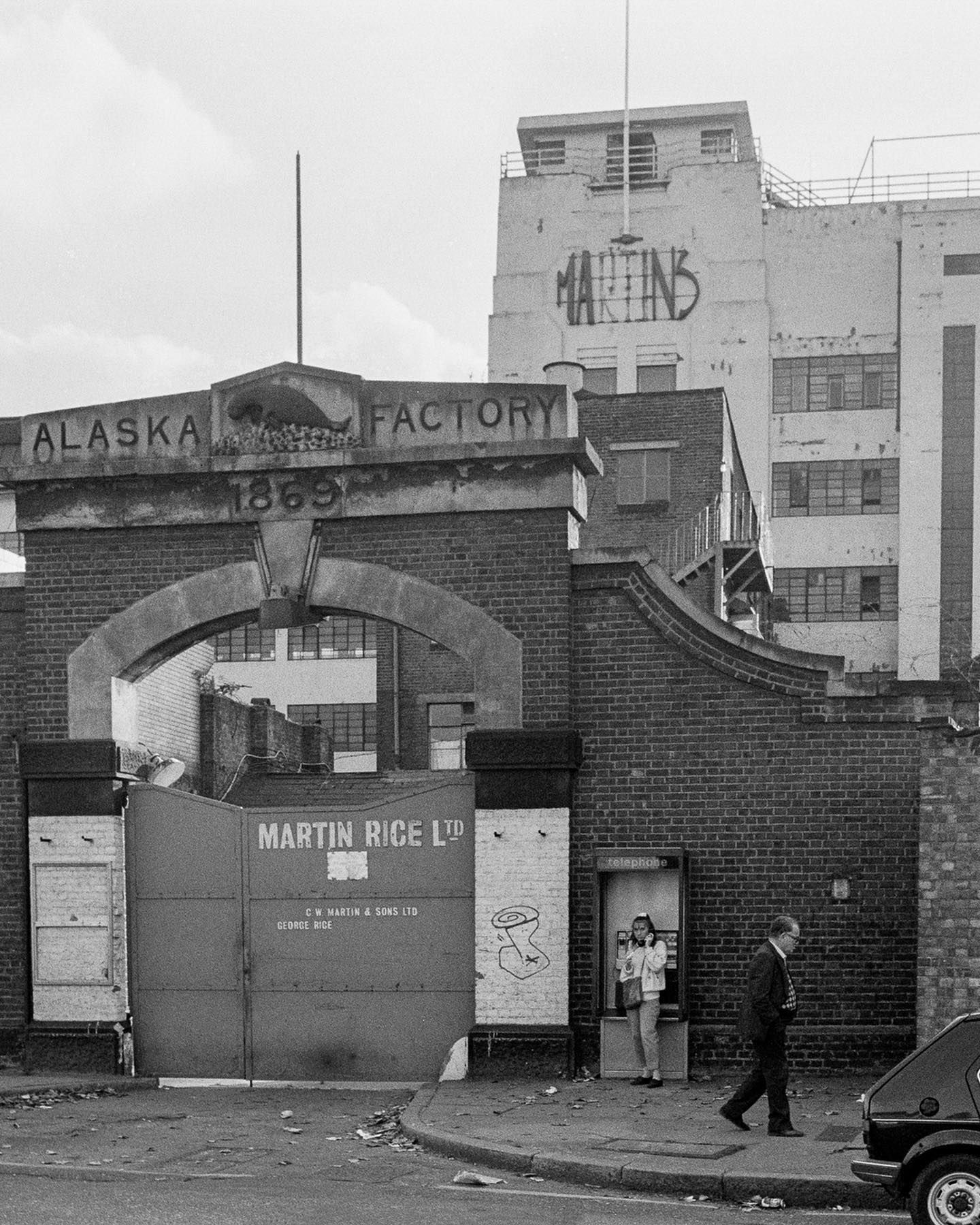
A fur factory gateway from 1869, a white Art Deco works from 1932, and now homes. The Alaska Building has reinvented itself more than once.

The gateway carries the date 1869 and the words Alaska Factory, with a seal carved in relief between them. It was the way into a works that dressed sealskins. Peter Marshall notes the skins came mainly from Alaska and Canada, and were de-haired, dressed and dyed here.

The same gateway today, its brick cleaned to yellow, with decorative metal gates, the number 61 on the pier, and the white tower behind lettered Alaska.
Black and white photo from 1982 of a brick gateway with an arched opening lettered Alaska Factory 1869, closed painted gates with company names, a phone box in the wall, and a white factory tower lettered Martins behind.
Then · 1982Now · 2023

13Bermondsey Street

Thomson Bros, 57 Bermondsey Street

Then
1993 · Peter Marshall
Now
2023

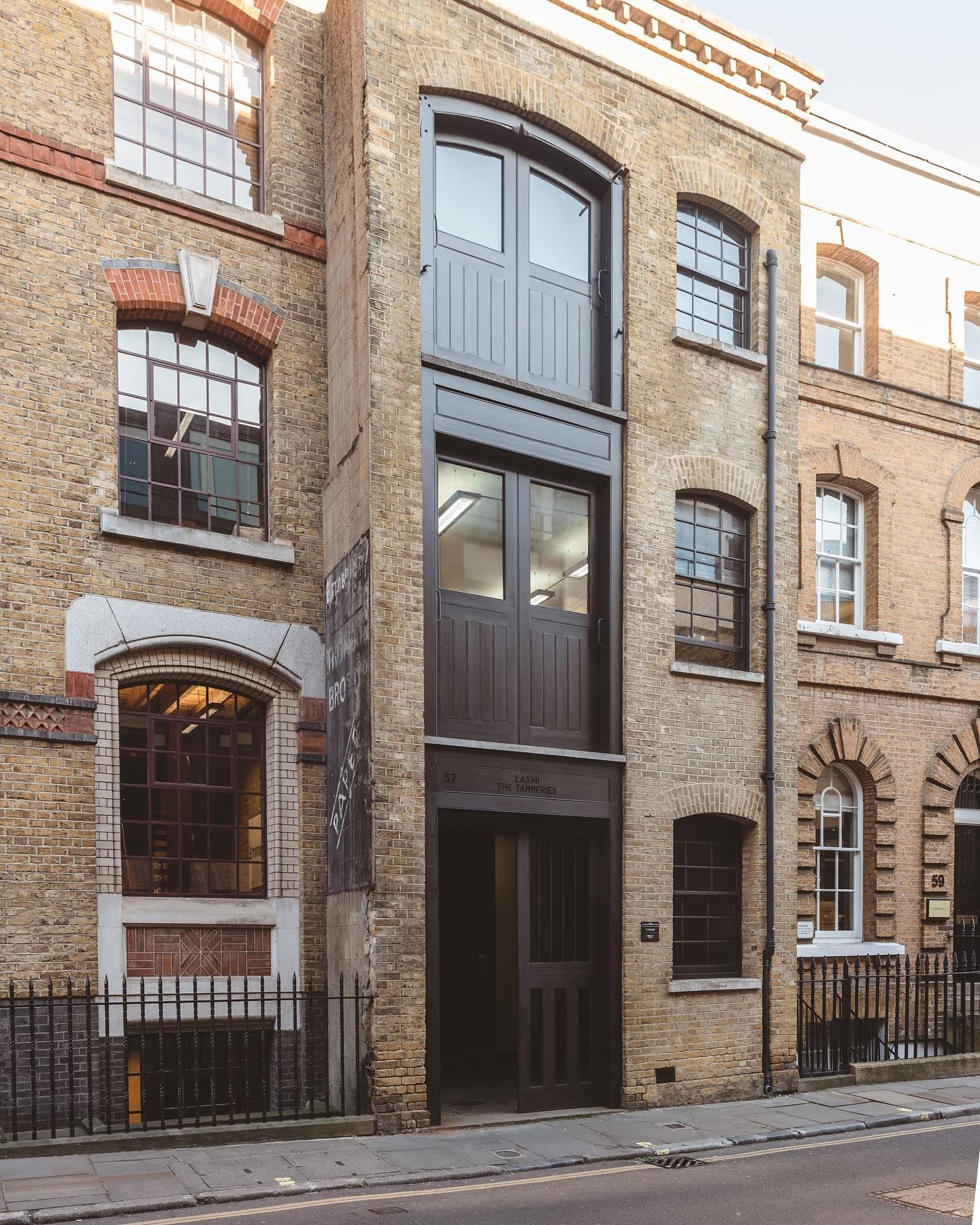
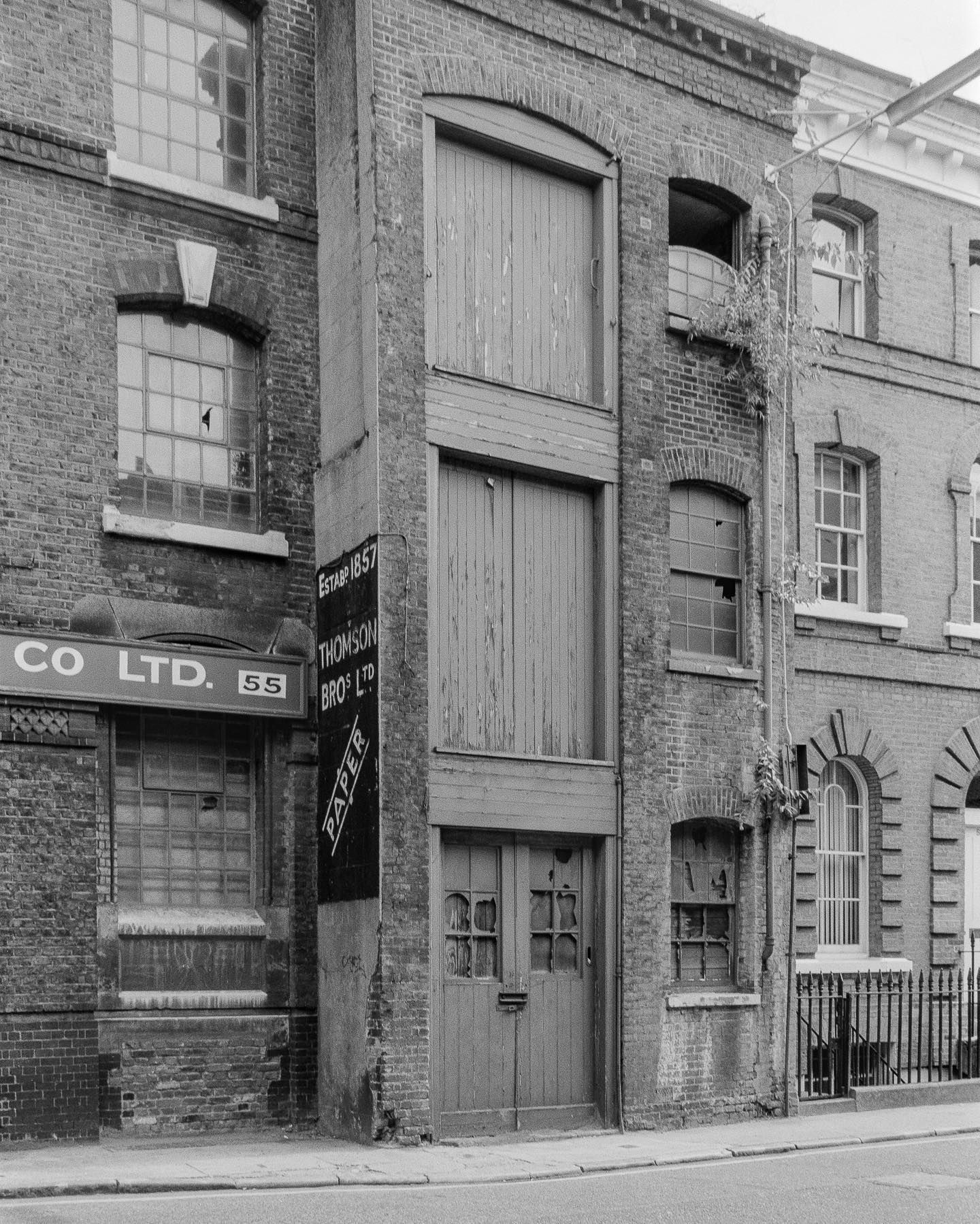
Thomson Bros Ltd, Paper, was established in 1857 and moved to Bermondsey Street in 1952.

This narrow building is number 57 Bermondsey Street. In 1993 its three tiers of tall timber loading doors were shut and boarded, the kind of front built for hauling goods straight up from the street.

The same narrow building today, cleaned, with dark glazed doors on each floor above a gateway lettered 57 Laxmi The Tanneries. The faded painted sign is still on the wall to the left, with railings in front of the house to the right.
Black and white photo from 1993 of a narrow brick building on Bermondsey Street with three tiers of tall timber loading doors above a street door. A painted Thomson Bros paper sign is on the wall to the left, and the building next door has a fascia ending Co Ltd 55.
Then · 1993Now · 2023

14Bermondsey Street

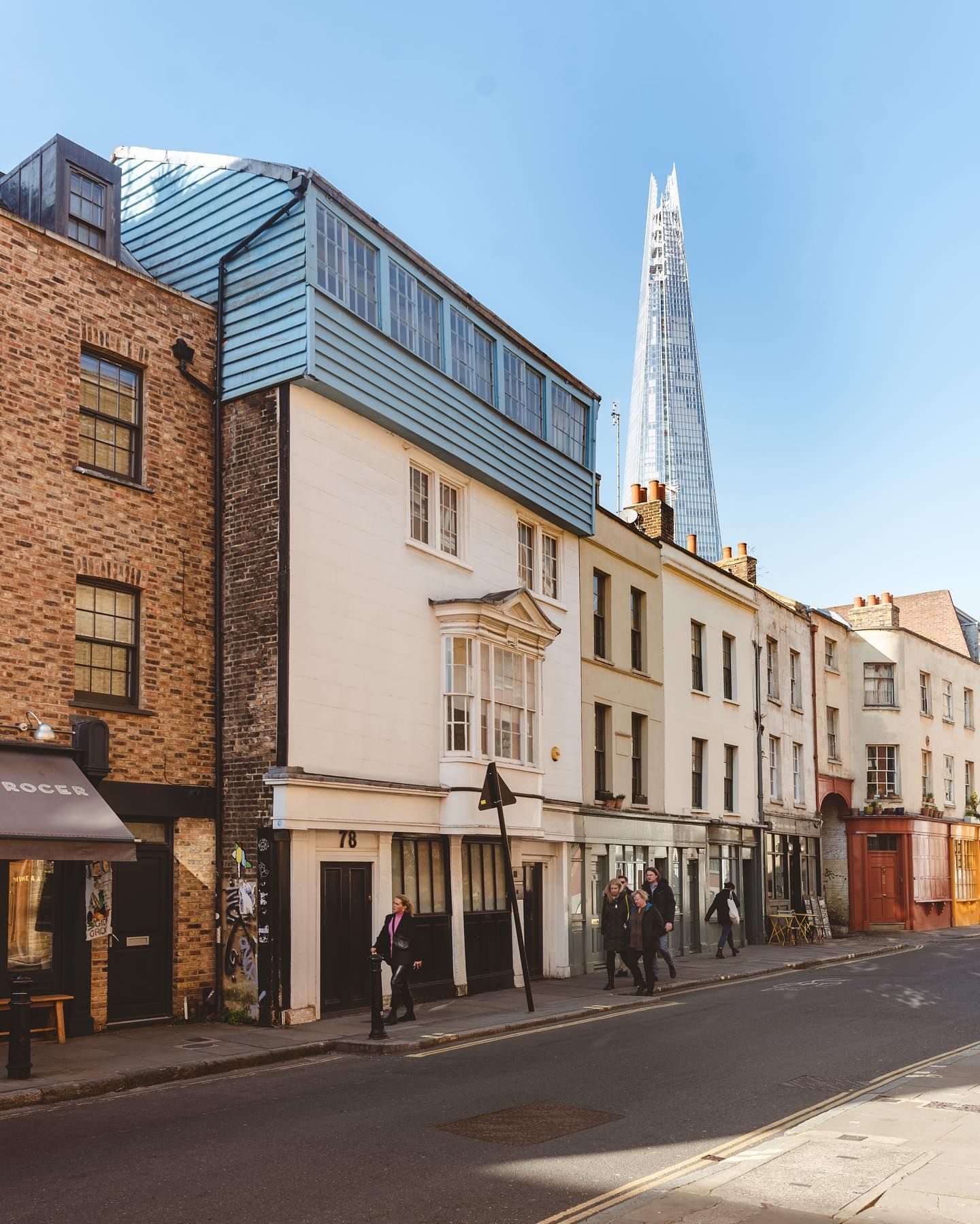
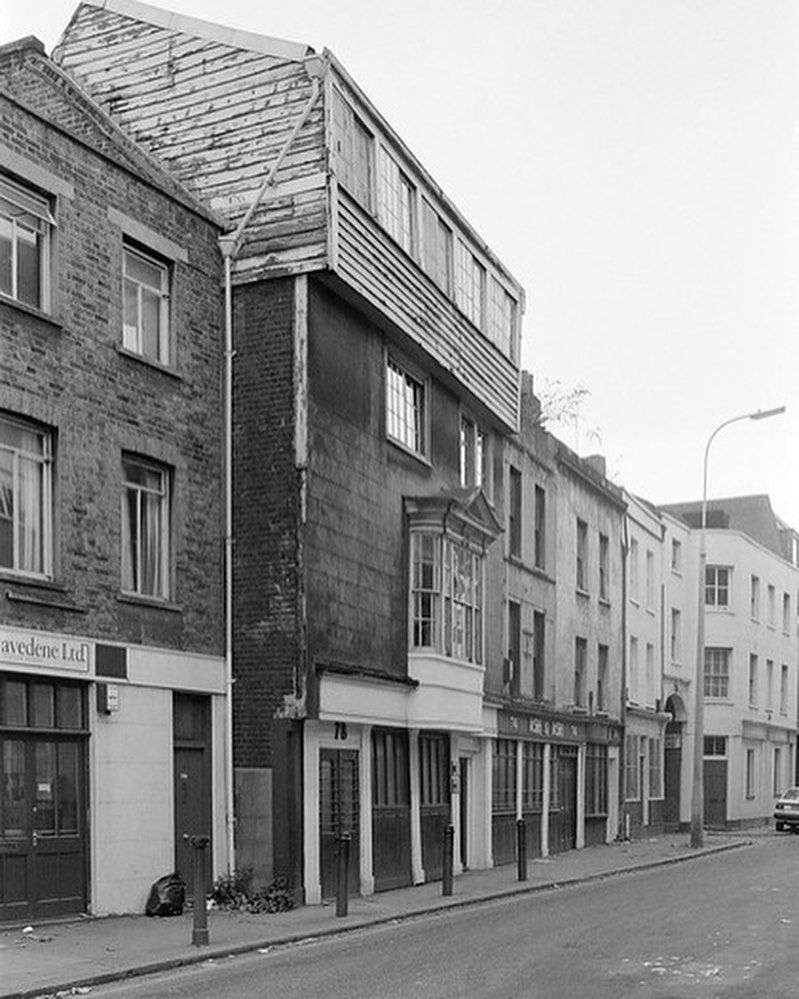
78 Bermondsey Street

Then
1988 · Peter Marshall
Now
2023

Number 78 Bermondsey Street in 1988 and today, one of the oldest houses on the street.

Number 78 is one of the oldest houses on Bermondsey Street. Historic England lists it at Grade II and dates it to the late 17th century: four storeys of brick and timber, with a stucco front scored to look like blocks of stone, and a shopfront at street level altered in the 20th century.

The same house today with its weatherboarded top floor painted pale blue, a white bay window and a cream front, next to the Giddy Grocer awning, with The Shard rising behind the terrace.
Black and white photo from 1988 of a tall narrow old house on Bermondsey Street with a peeling weatherboarded top floor, a bay window at first floor and a boarded shopfront, next to a terrace of older houses.
Then · 1988Now · 2023

15Bermondsey Street

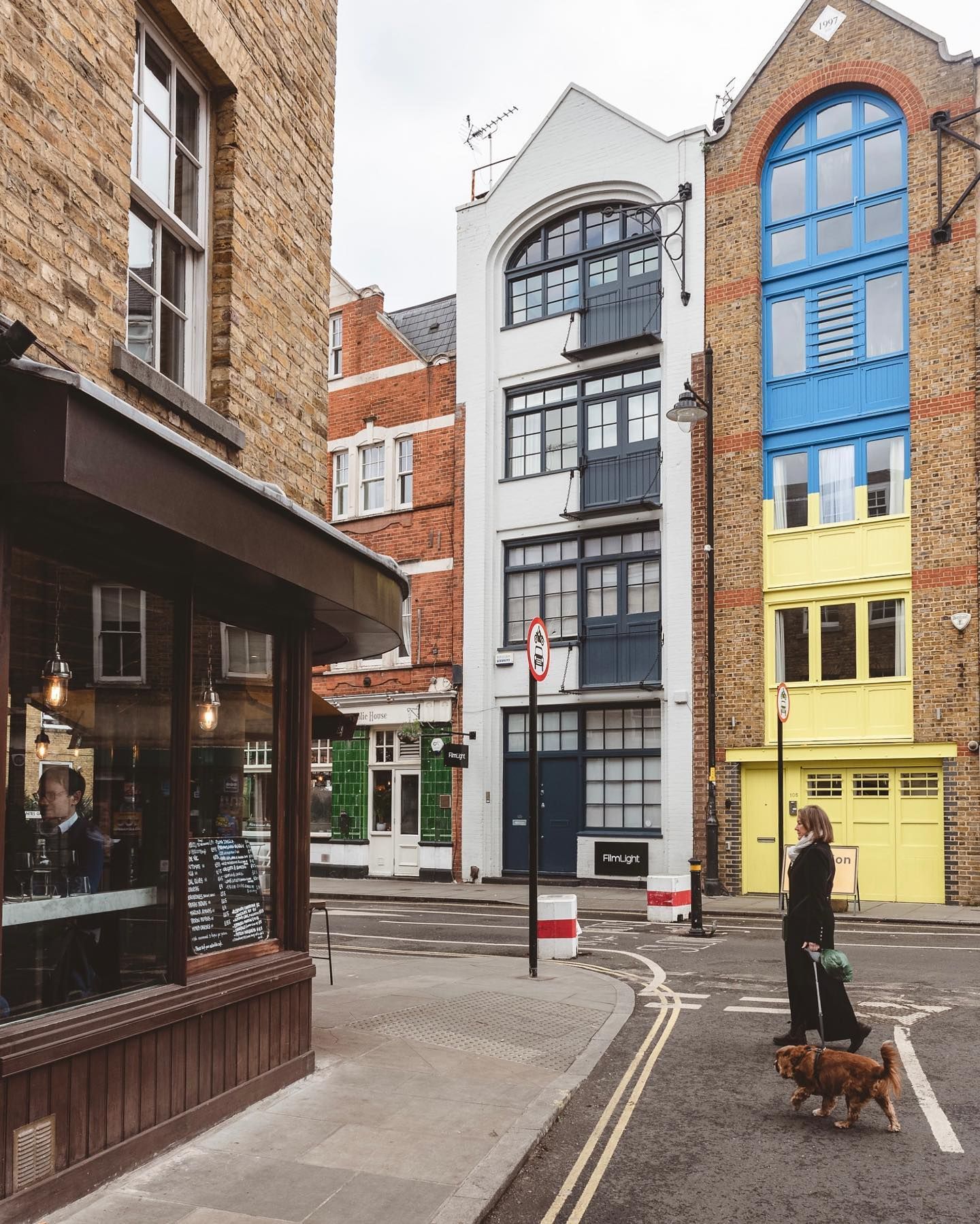
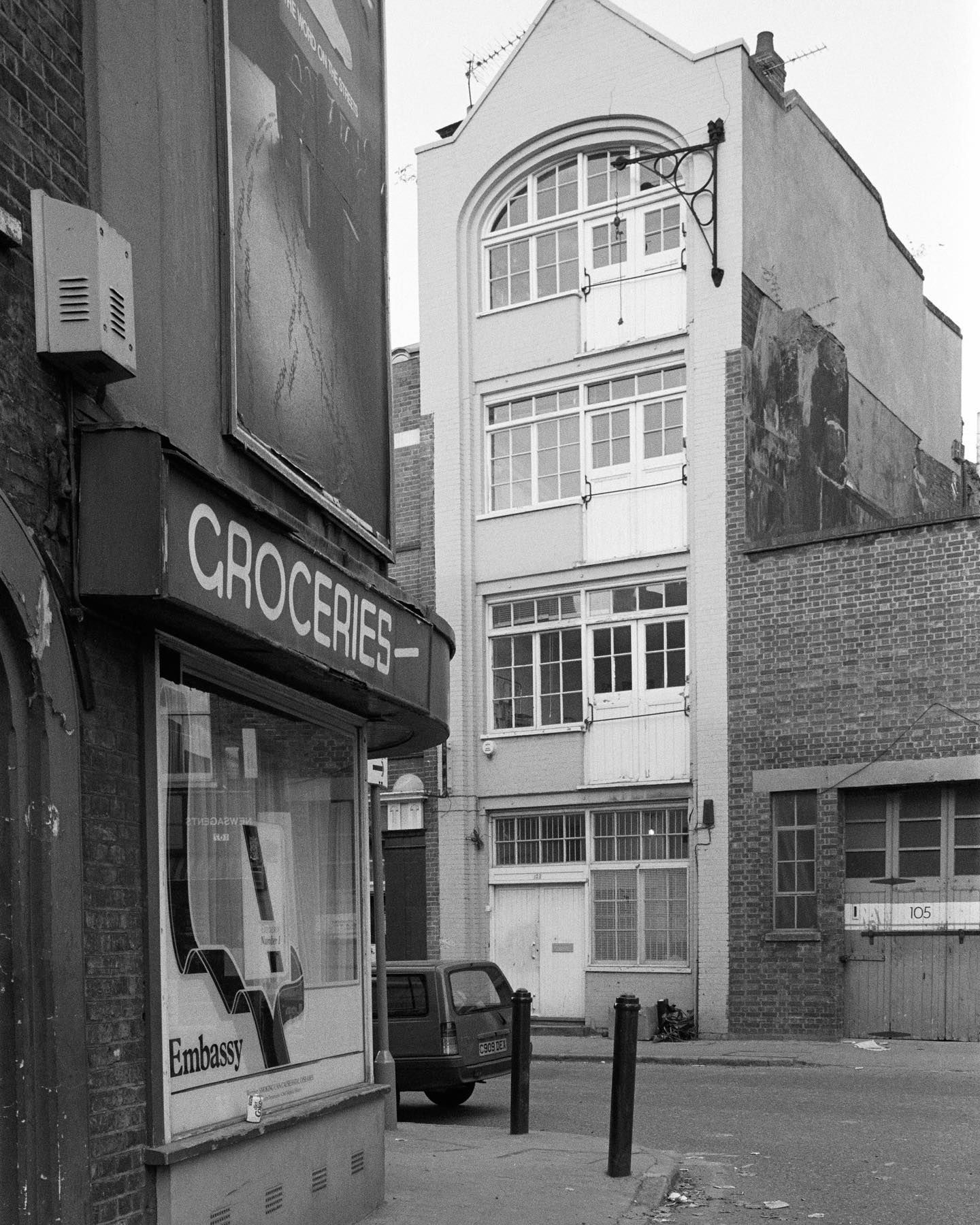
Bermondsey Street at Morocco Street

Then
1988 · Peter Marshall
Now
2023

The corner of Bermondsey Street and Morocco Street, in 1988 and today. From corner shop to tapas bar.

In 1988 the corner of Bermondsey Street and Morocco Street was a corner shop. The fascia read Groceries, and on the curve, M&H Co Ltd trading as R.E. Dawson. The windows carried cigarette adverts and a newsagent's card.

The same view today: the dark timber front of José tapas bar on the corner, the white FilmLight building opposite and the building next to it painted blue and yellow. A person walks a dog across the road.
Black and white photo from 1988 looking across Bermondsey Street from a corner shop lettered Groceries to a narrow white warehouse with loading doors and an iron bracket, next to a low brick building with garage doors.
Then · 1988Now · 2023

Got an old photo of around here?

Send it to us