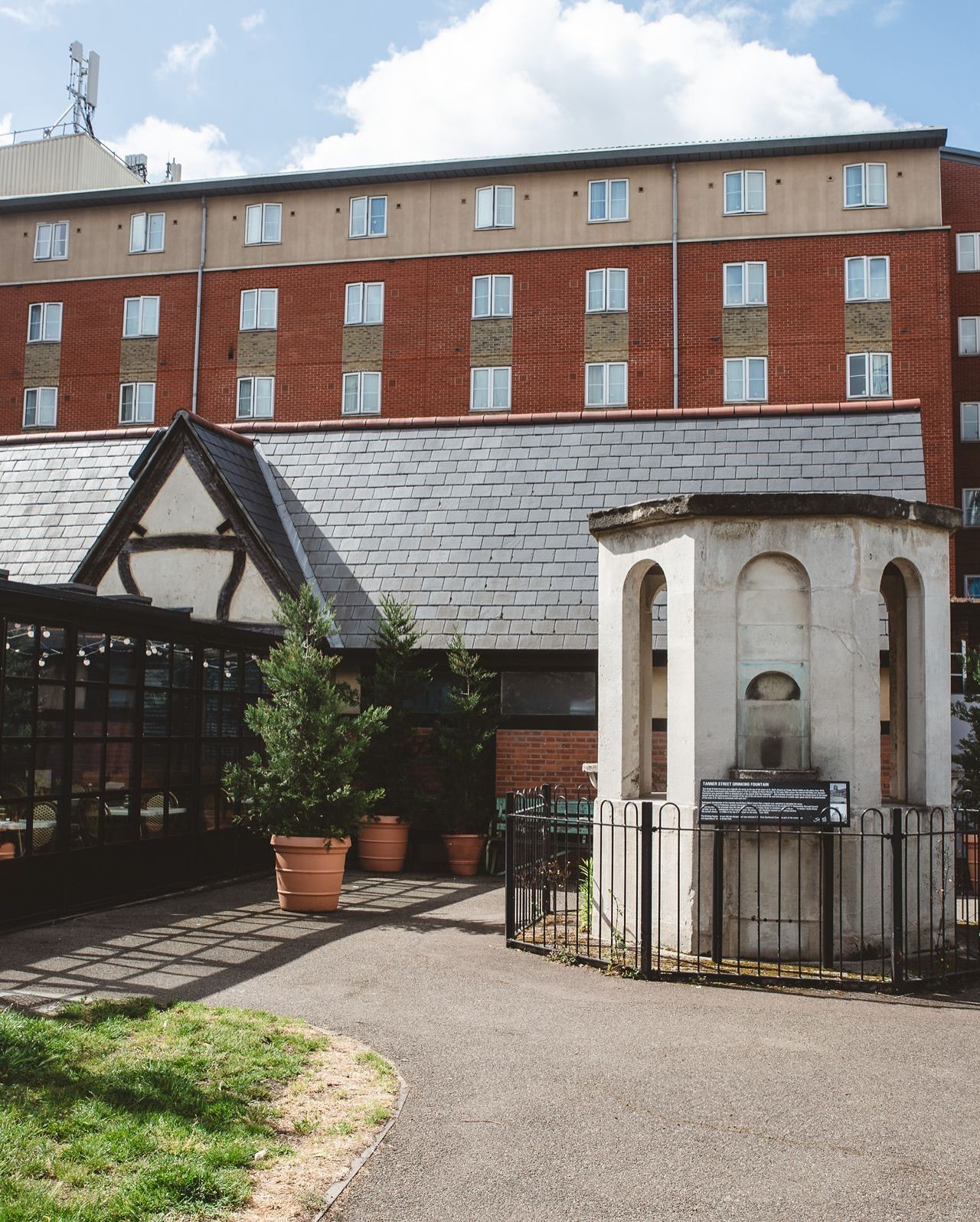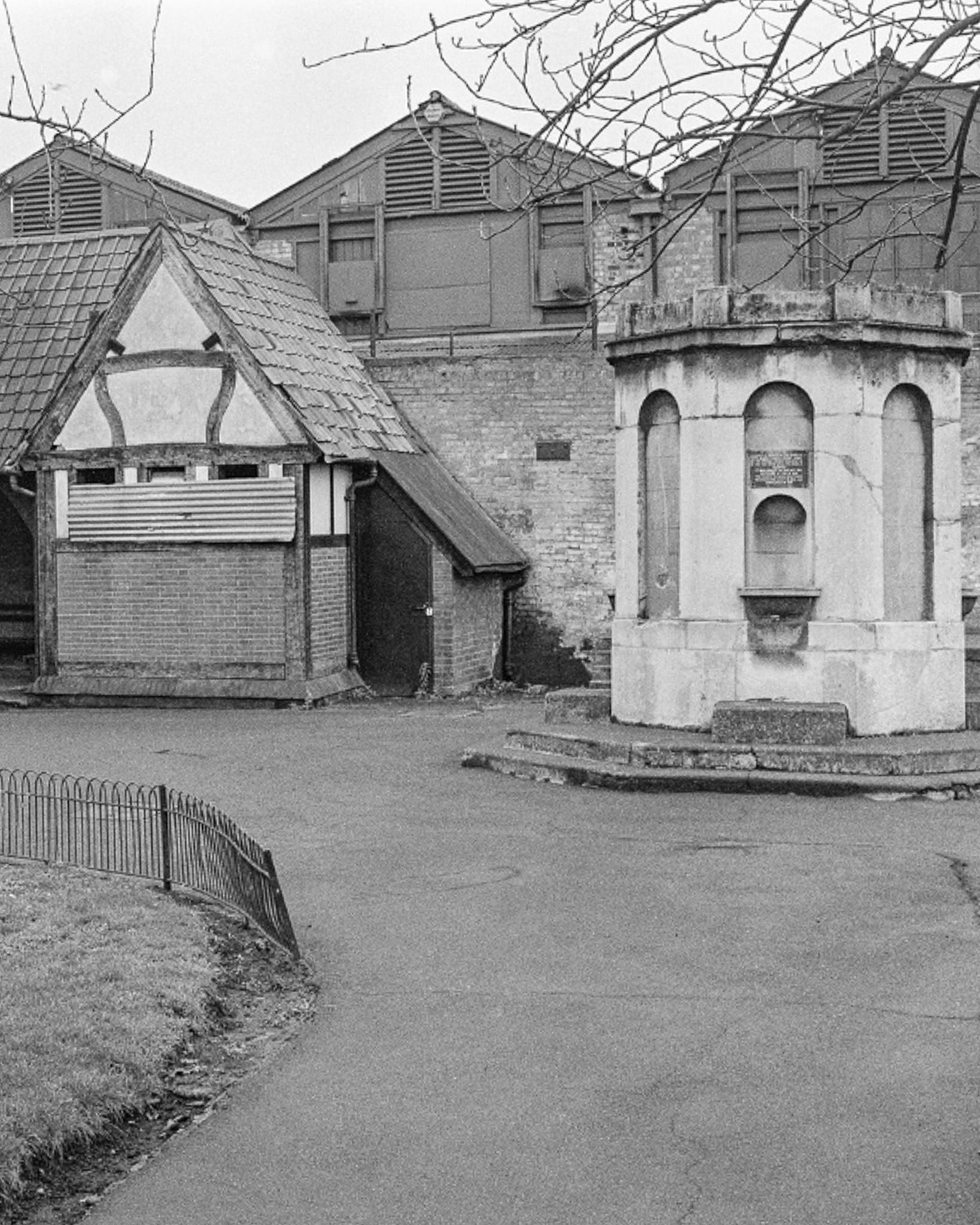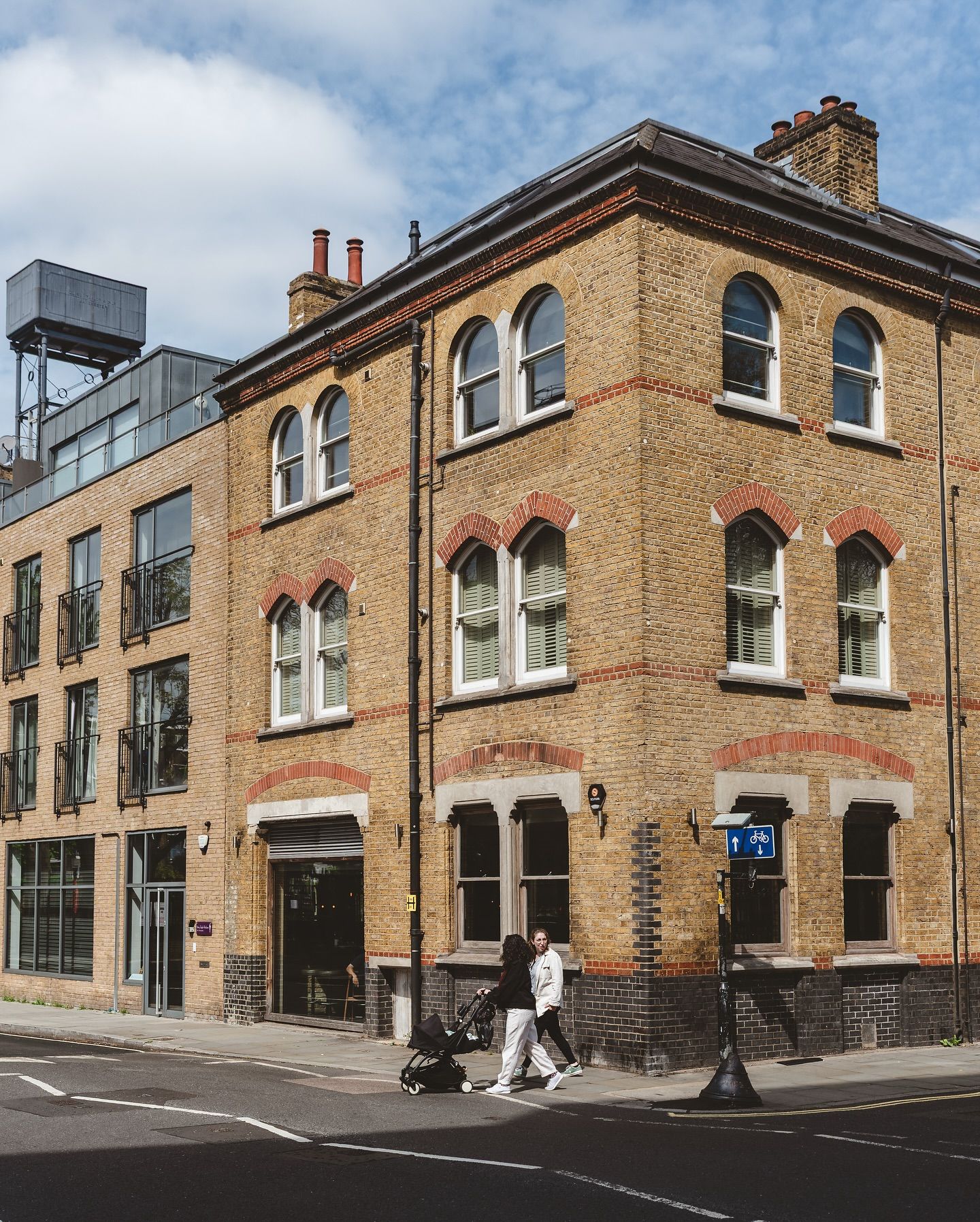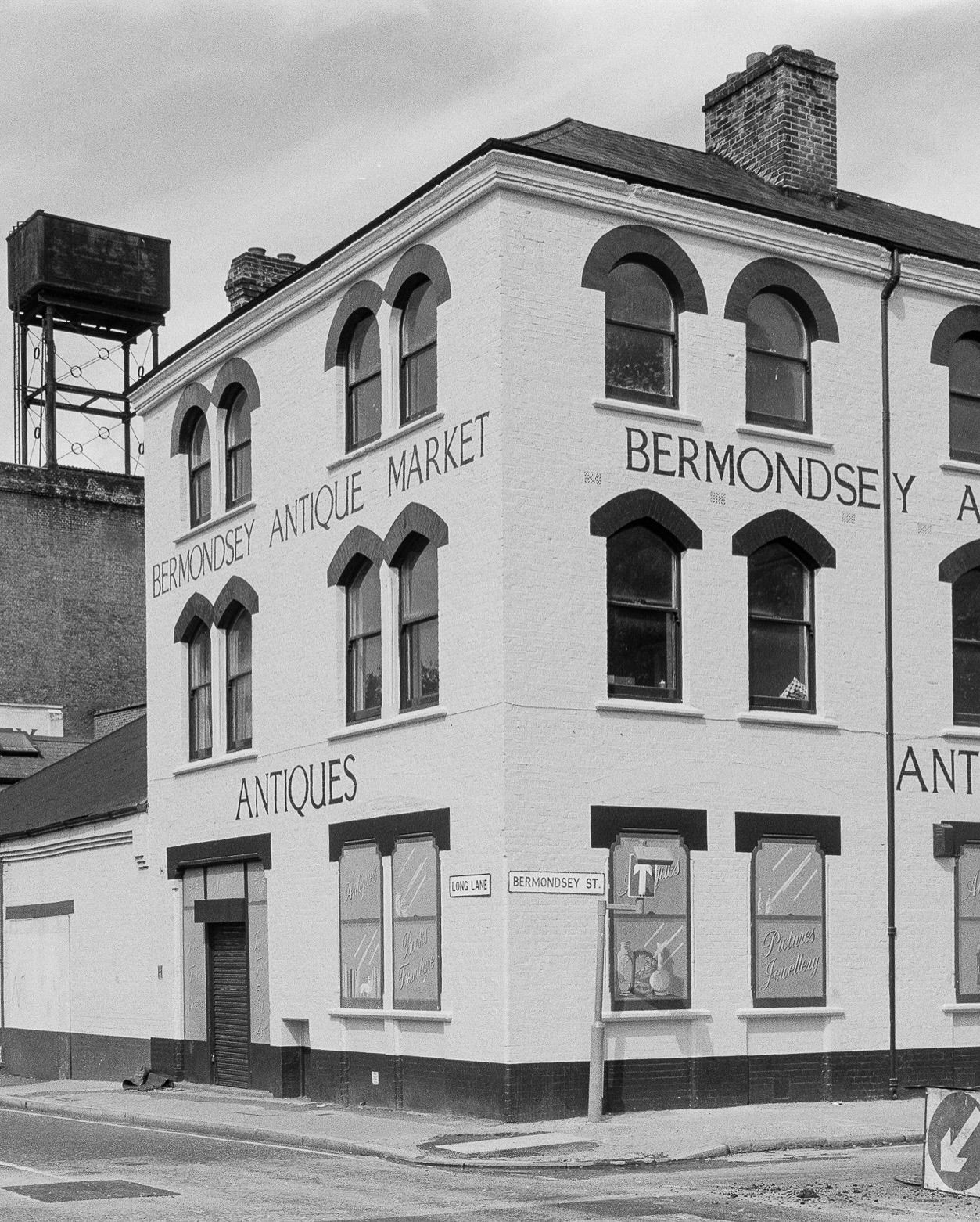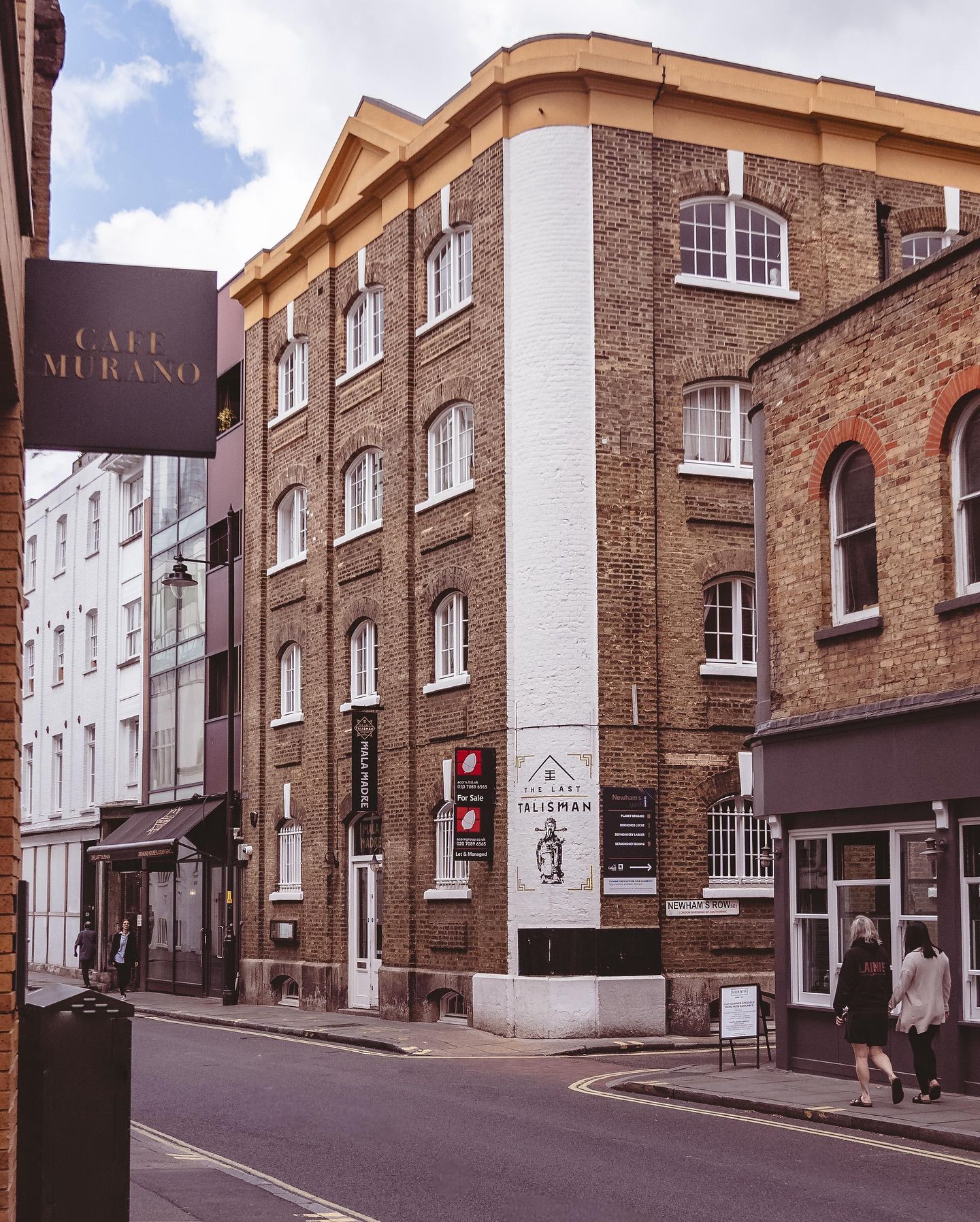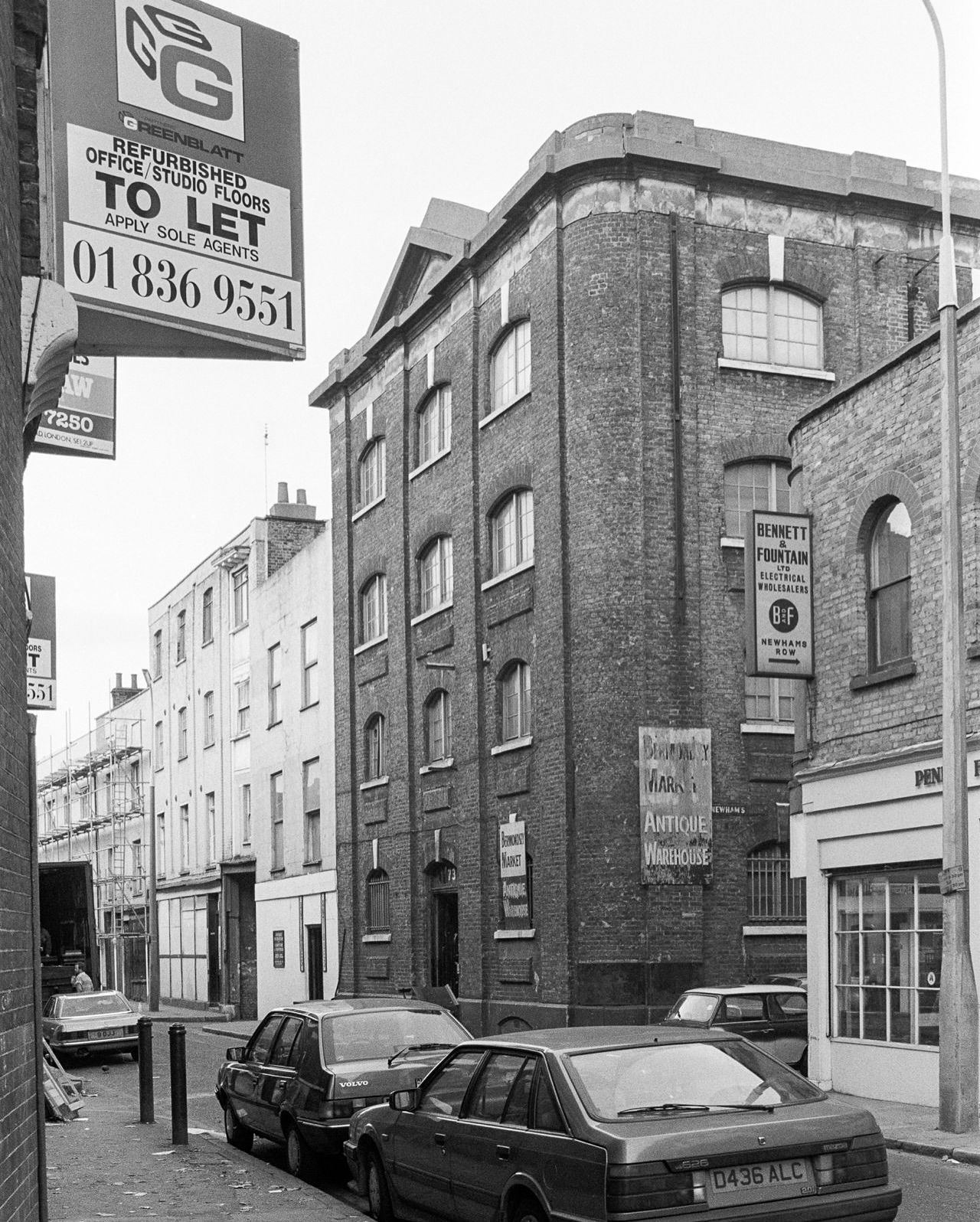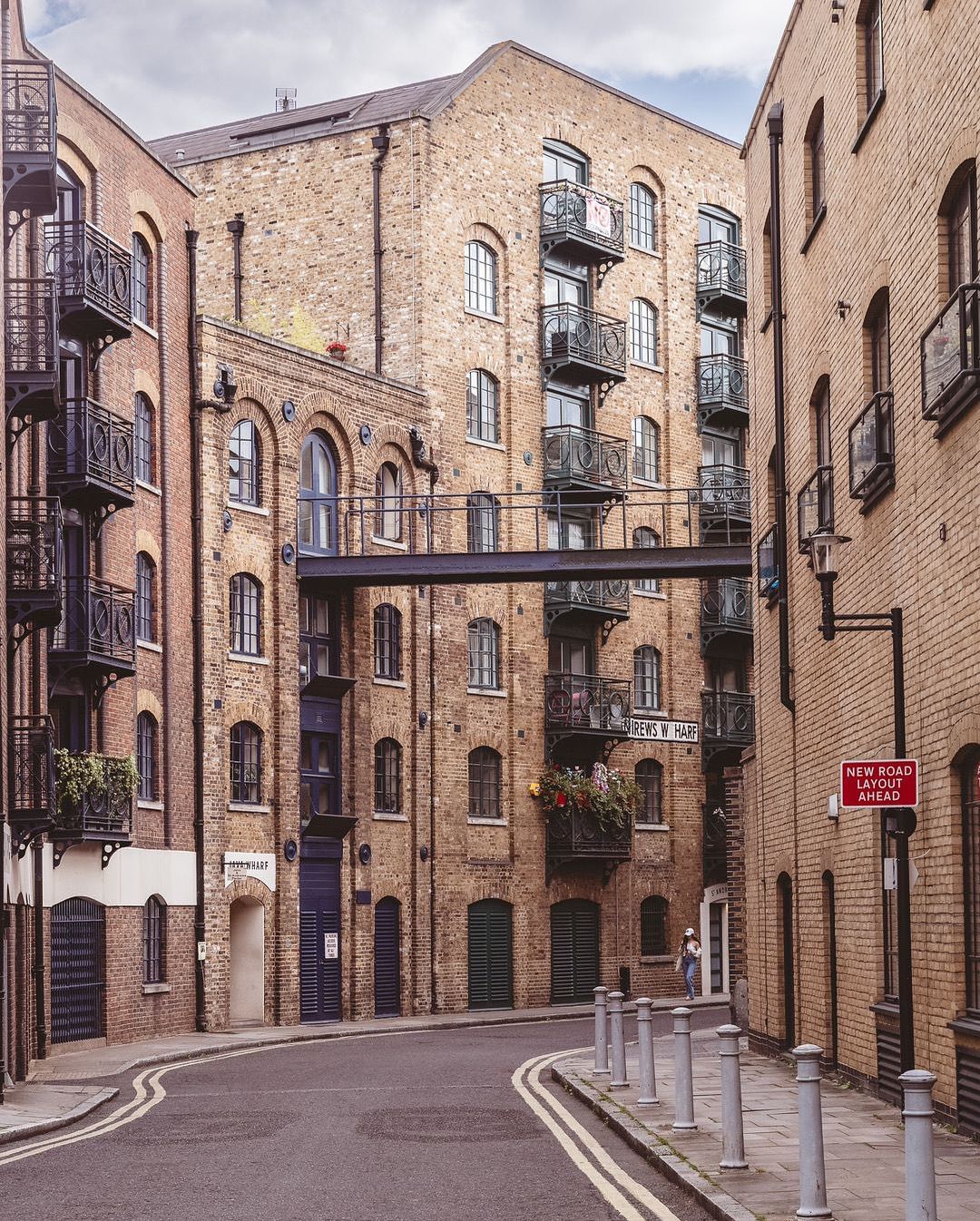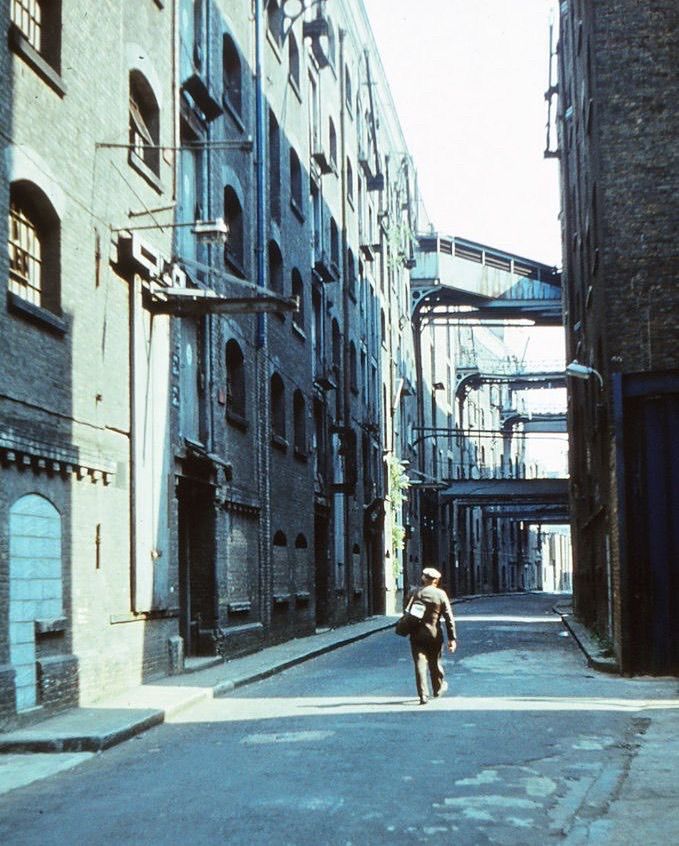
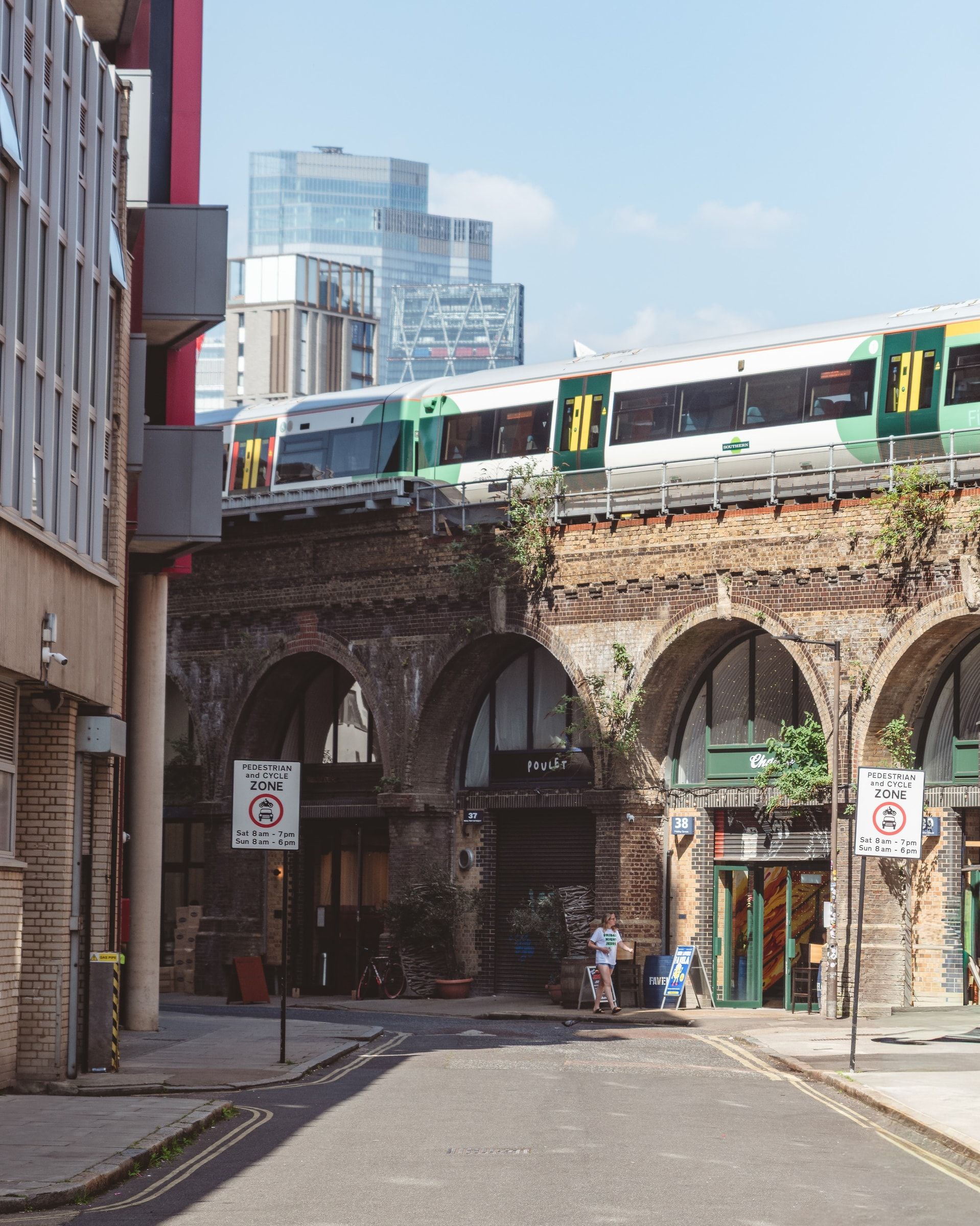
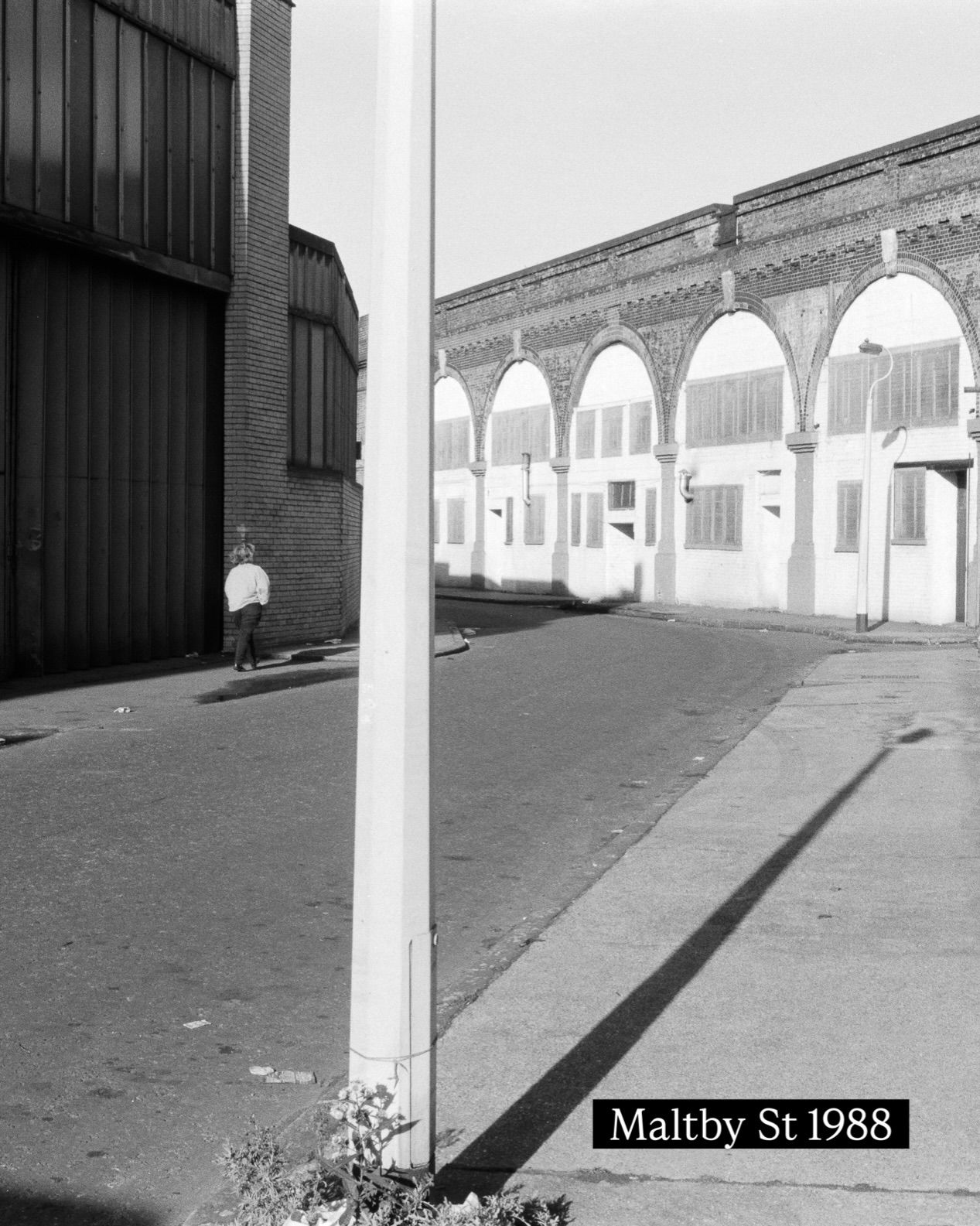
Same street. Almost 40 years apart.
Maltby Street in 1988 was warehouses, quiet pavements and not much else. The arches were just arches. We know a lot of Bermondsey looked like this back then, a working dockside neighbourhood slowly emptying out as the wharves shut down through the 70s and 80s.
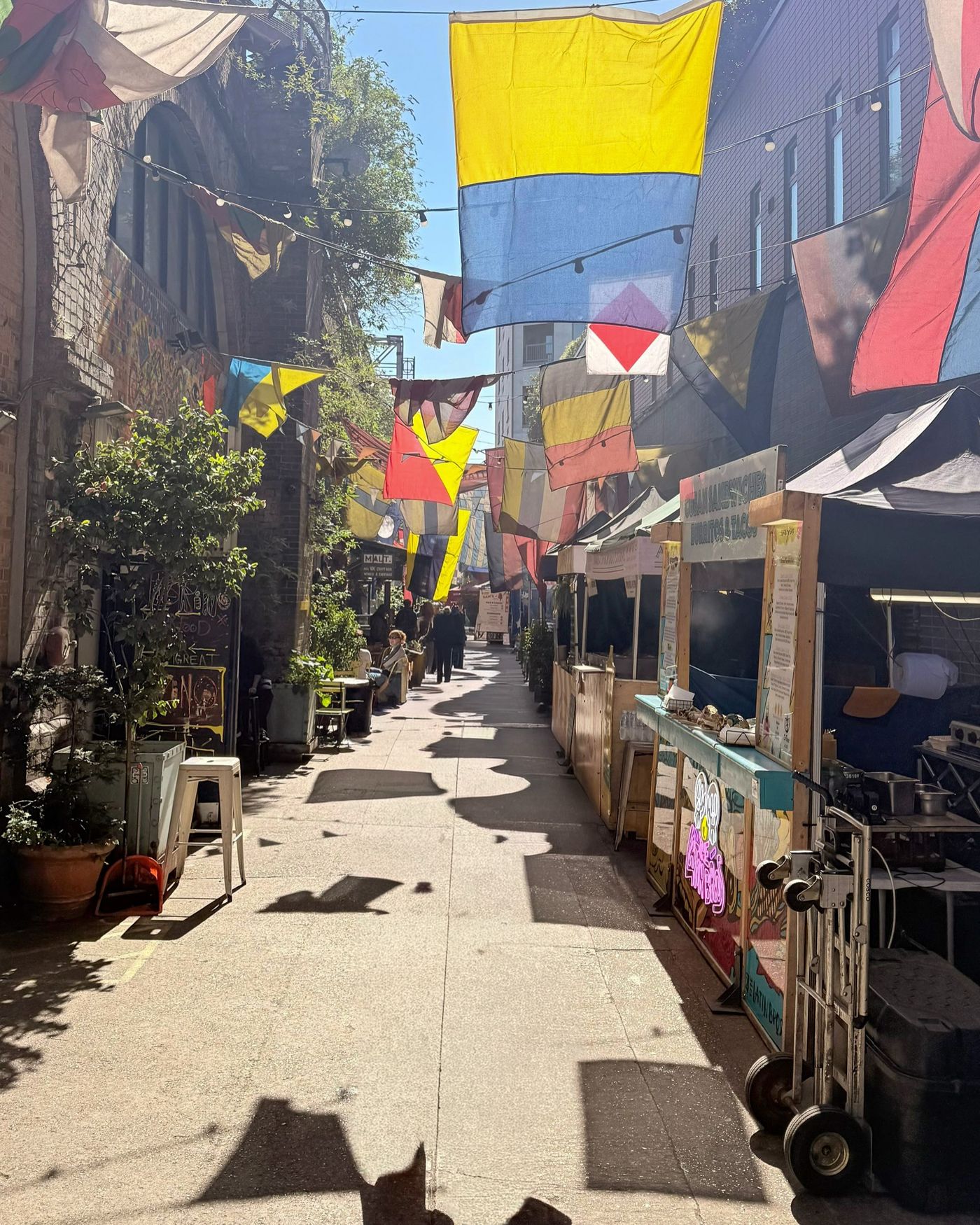
Fast forward to now. Those same arches are home to the Ropewalk and @maltbystmarket that started life in 2010 as a quiet trader spillover from Borough.
Same bricks. Completely different street.
Then
The arches came first. They carry the London and Greenwich Railway, the first steam railway with a terminus in London. Its first trains ran from Spa Road, London's first railway terminus and just along the line from here, to Deptford in February 1836, and the viaduct reached London Bridge that December.
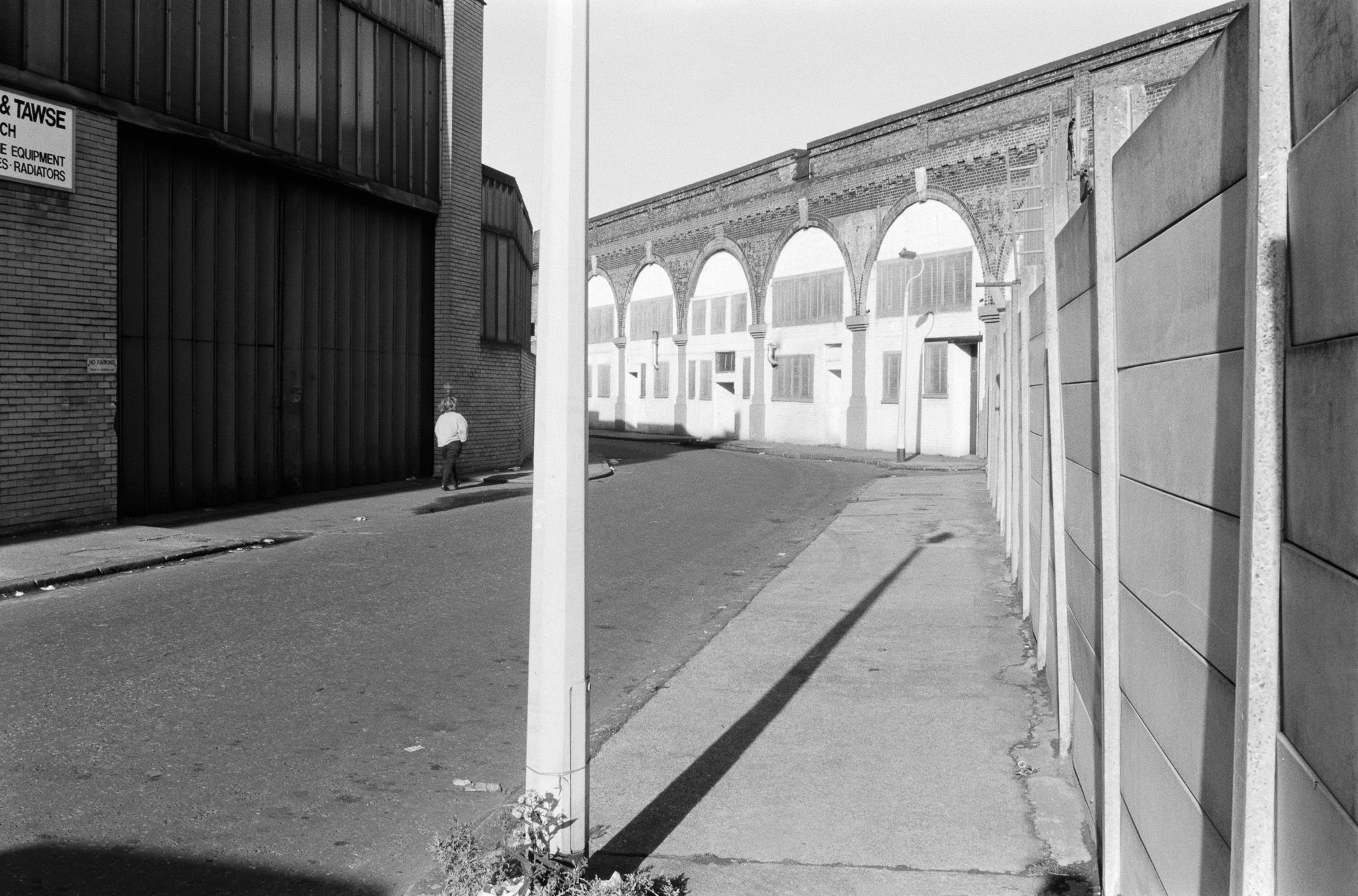
The railway's engineer planned from the start to let the arches out as workshops. Look at the 1988 photo and you can see that working life: the arch fronts filled in, rendered and painted white, with small windows and plain doors.
Before the railway, this was tan yards and rope walks. Maps of Bermondsey from the 1840s show both among the fields. The market says the Ropewalk takes its name from one of those rope walks, a long straight lane where rope was made.
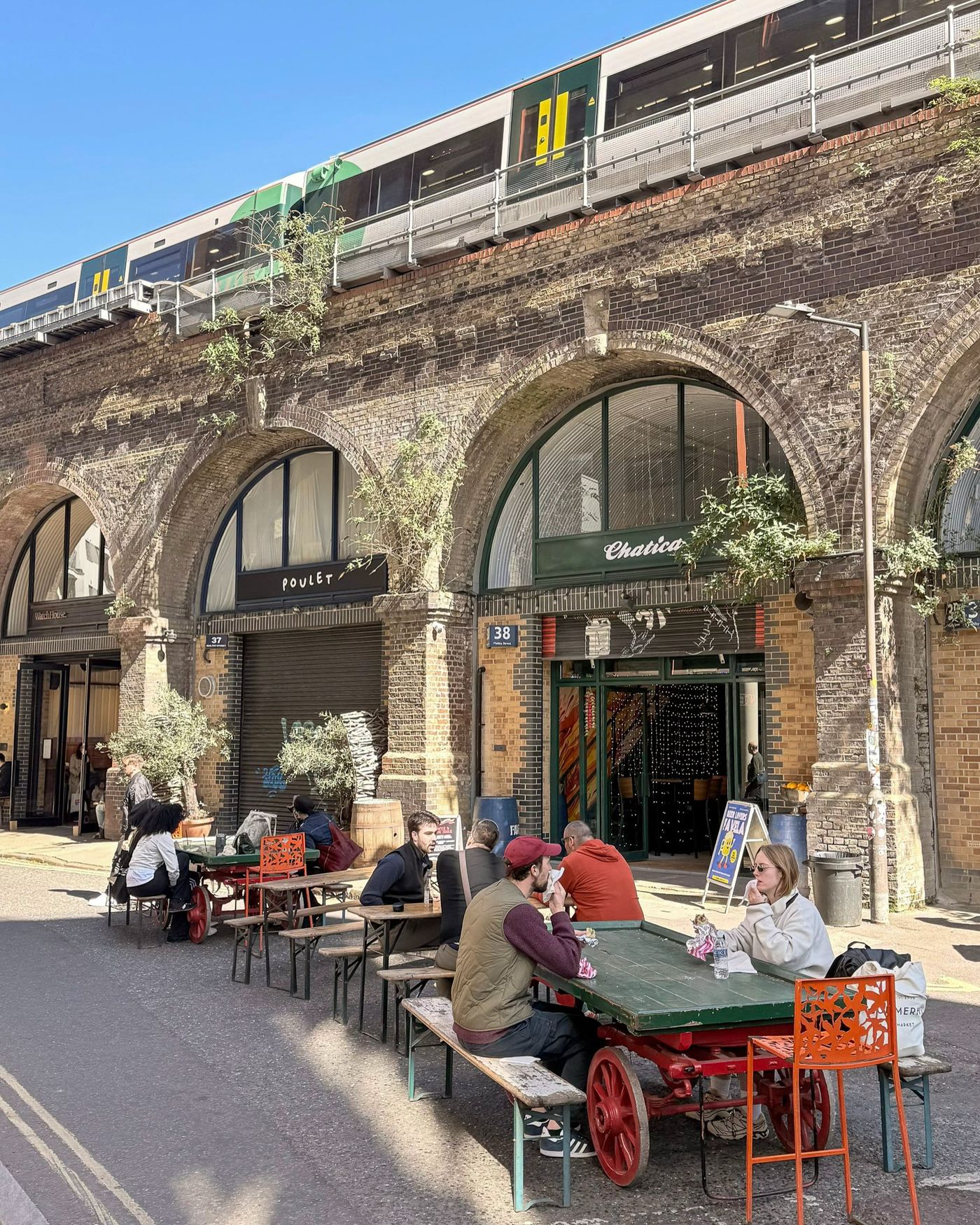
Now
Maltby Street Market runs on Saturdays and Sundays, with Friday evenings added in the summer months. The stalls fill the Ropewalk, the private yard that runs along the arches.
The yard belongs to LASSCO, the architectural salvage company, which uses the Victorian arches here for its shop and warehousing and gives the space over to the market at weekends.
At number 36, WatchHouse roasts its coffee in a converted arch, with a glass wall onto the roasting room.
Details worth noticing
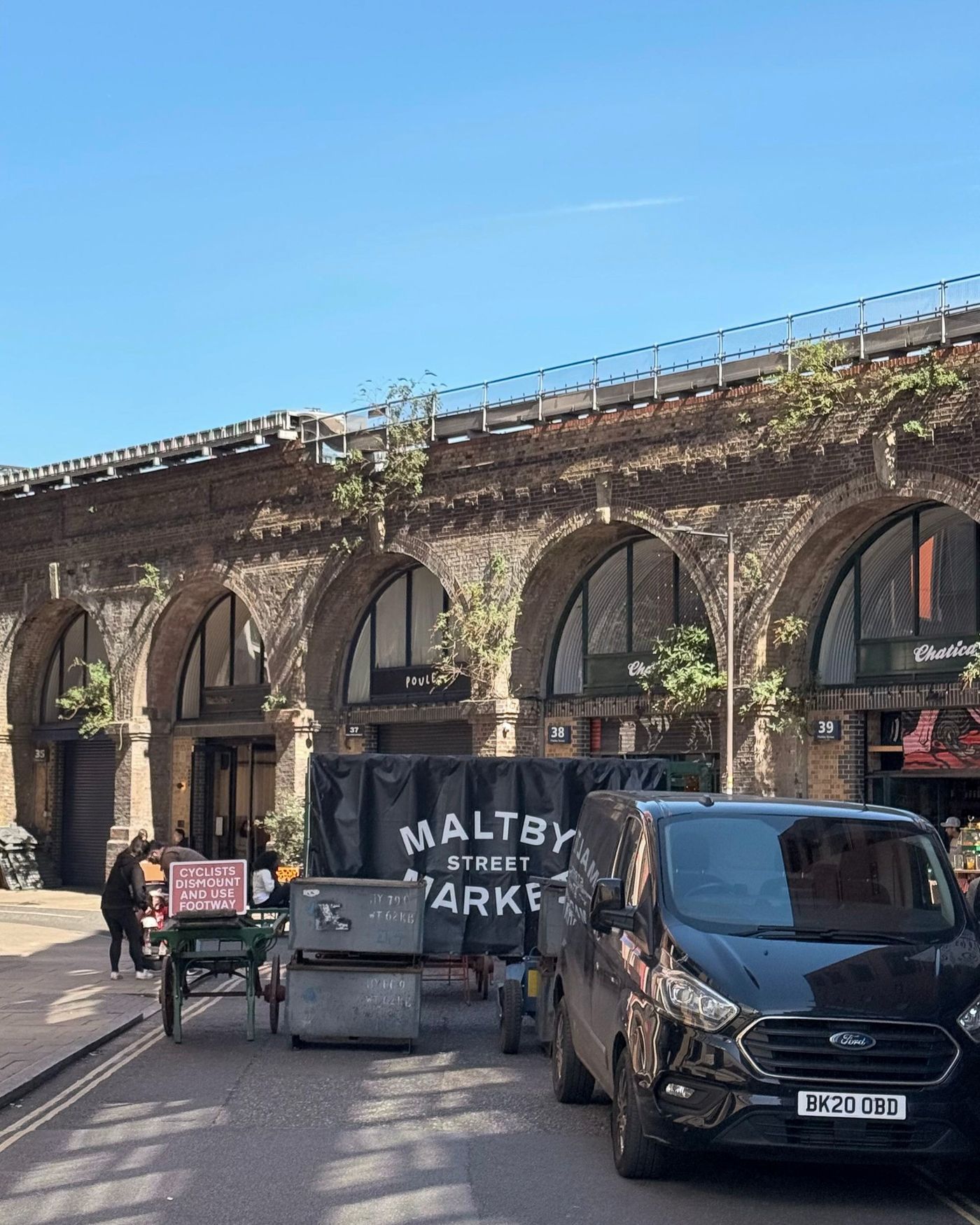
The line of arches and their brick piers haven't moved an inch since 1988.
What's gone is the white render. The arch fronts have been opened up again, the brick is bare, and most arches now have tall glazed fronts with arched windows that follow the curve of the brickwork.
The wide version of the 1988 photo, above, shows more of what stood here then: a corrugated warehouse with a trade sign on the left, and a concrete panel fence lining the pavement.
And the trains are still the point of it all. These arches were built to carry them, and they still do. Wait a minute or two and one will rumble across the top, like the one in our photo.
Your memories
If you lived around here in the 80s, tell us. What was it like? What’s gone? What do you miss? And, which small business do you love at Maltby today?
Share them in the comments on our Instagram post, linked below.